

story
The enduring appeal of full-grain leather backpacks with brogue detailing
A guide to sourcing, authenticating and caring for vintage-style leather rucksacks distinguished by vegetable-tanned hides and hand-burnished hardware.
The history
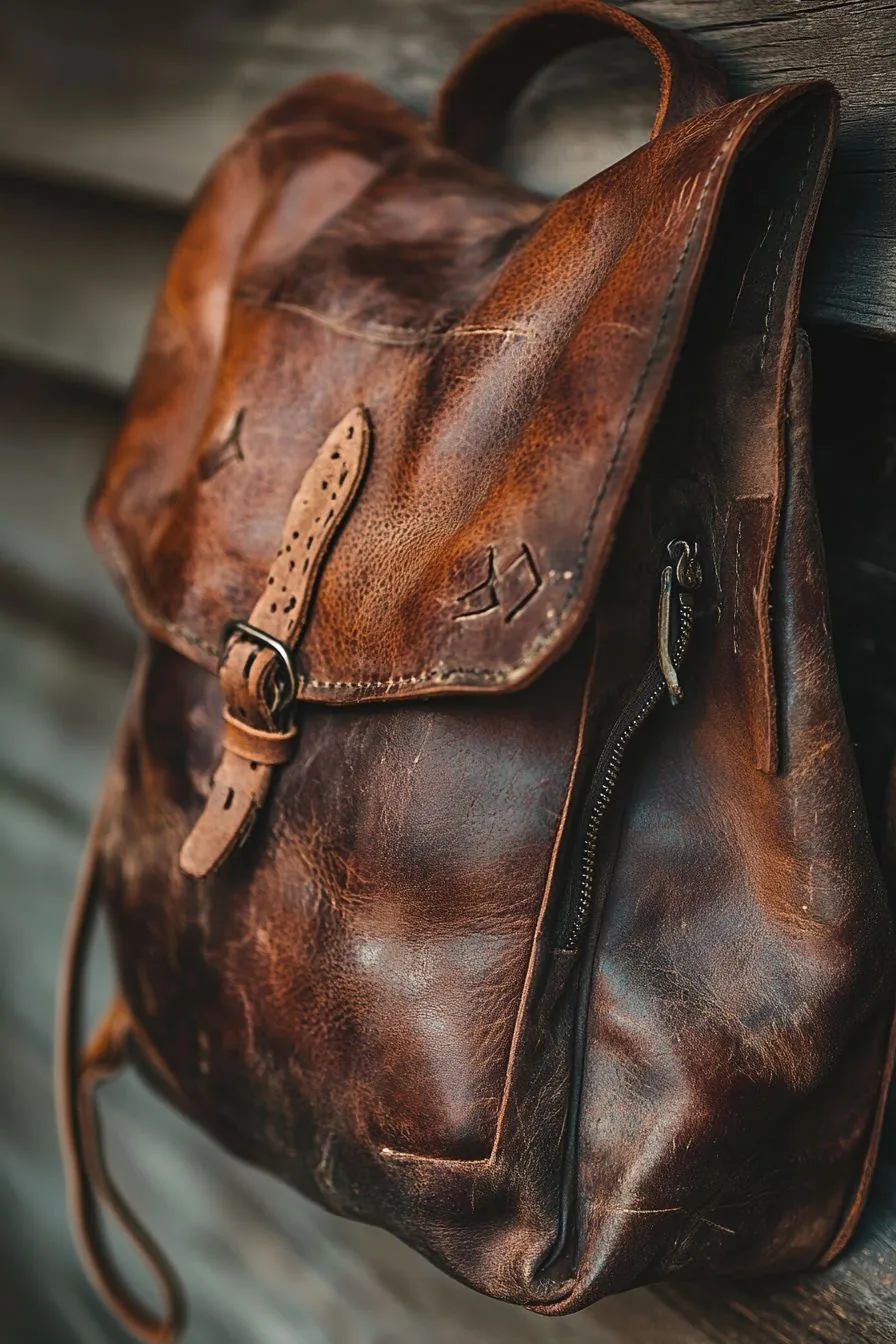
Leather rucksacks entered Indian urban life via the Raj-era touring class and military officers who commissioned local tanneries to replicate European saddlebag techniques. By the 1950s, Bombay and Kanpur workshops had perfected vegetable-tanned buffalo and goat hides, often finishing them with brogue punch-work borrowed from Oxford shoe design. The buckled flap closure—originally a cavalry detail—became synonymous with durability among academics, photographers and surveyors traversing unpaved hinterlands. Today, well-preserved examples from pre-liberalisation tanneries command collector interest for their hand-stitched construction and natural patina.

How to authenticate
- Grain texture: genuine full-grain leather shows irregular pores and healed scars; top-grain or corrected surfaces appear uniform under magnification
- Brogue punching: hand-done perforations are slightly misaligned and vary in depth; machine punching yields laser-precise repetition
- Edge finishing: vintage pieces display burnished, waxed edges that darken with age; modern reproductions often use acrylic edge paint
- Hardware patina: brass buckles and rivets tarnish unevenly, with green verdigris in recesses; plated alloys flake or show a uniform dull finish
- Stitching: saddle-stitched seams use two needles and waxed linen thread that fray gracefully; lockstitch machine work unravels cleanly when cut
- Interior stamps: Kanpur and Calcutta tanneries sometimes embossed maker's marks or batch numbers in Devanagari script on the underside of flaps
Budgeting in INR
Entry-level examples—post-1980 workshop pieces with honest wear—trade between ₹8,000 and ₹15,000 at heritage fairs and online curated platforms. Mid-tier specimens from recognised 1950s–70s tanneries, retaining original buckles and minimal structural repairs, reach ₹25,000 to ₹50,000. Museum-grade rucksacks with documented provenance—military-issue bags or bespoke commissions for prominent families—can command ₹75,000 to ₹1,50,000, particularly if accompanied by period photographs or service records. Condition drives value: intact stitching, functional hardware and unaltered straps justify premium pricing.
Care
- Store flat or hanging in a breathable cotton dust bag; avoid plastic, which traps moisture and encourages mould on vegetable-tanned leather
- Condition quarterly with neatsfoot oil or beeswax-lanolin blends applied sparingly with a soft cloth; over-oiling darkens patina irreversibly
- Remove surface dust with a horsehair brush; for ingrained dirt, use saddle soap on a damp sponge, then air-dry away from direct sunlight
- Keep hardware dry; polish brass buckles annually with tamarind paste or a non-abrasive metal polish to slow verdigris without removing desirable tarnish
Continue reading