A Lusso Mora Label
Kahgez
of objects that remember

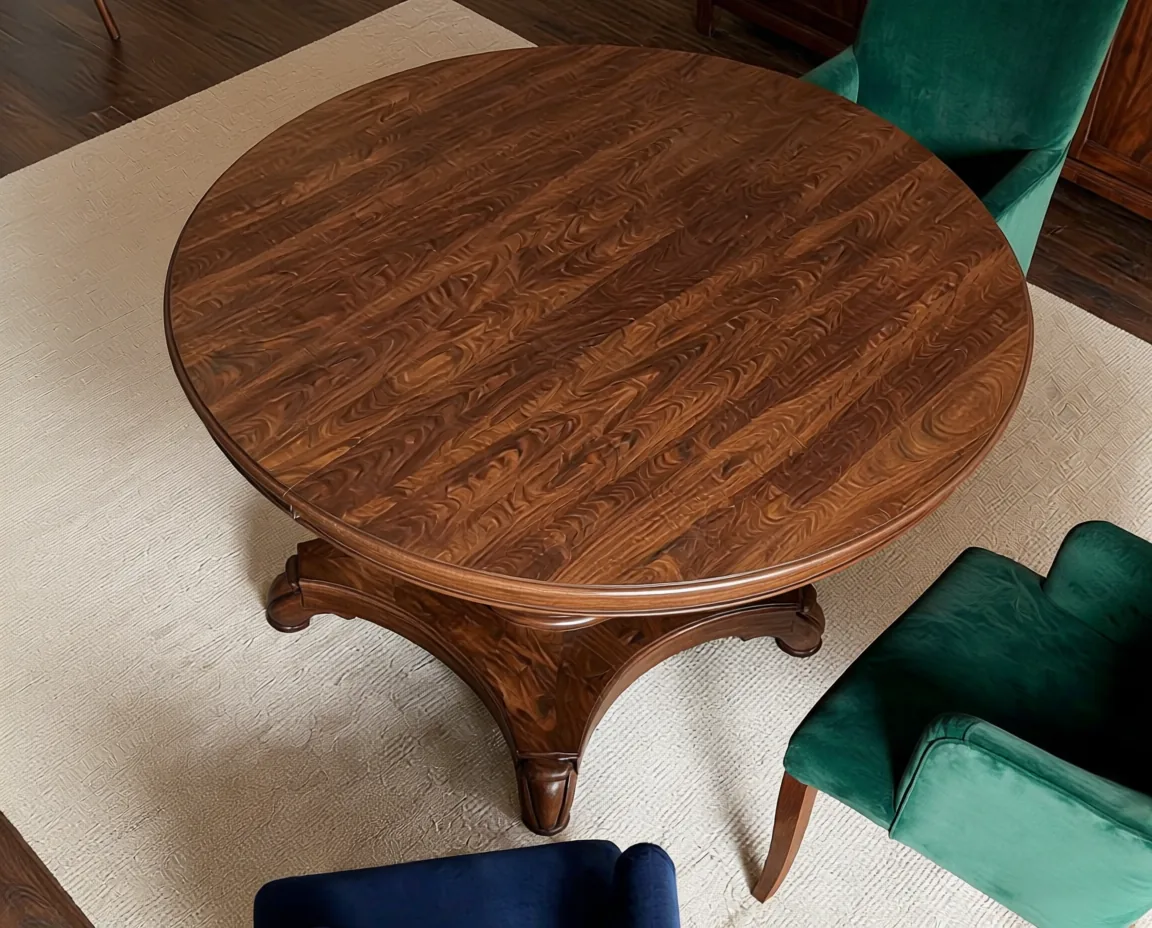
furniture · Contemporary (2026), William IV / Early Victorian design vocabulary (c. 1830s)
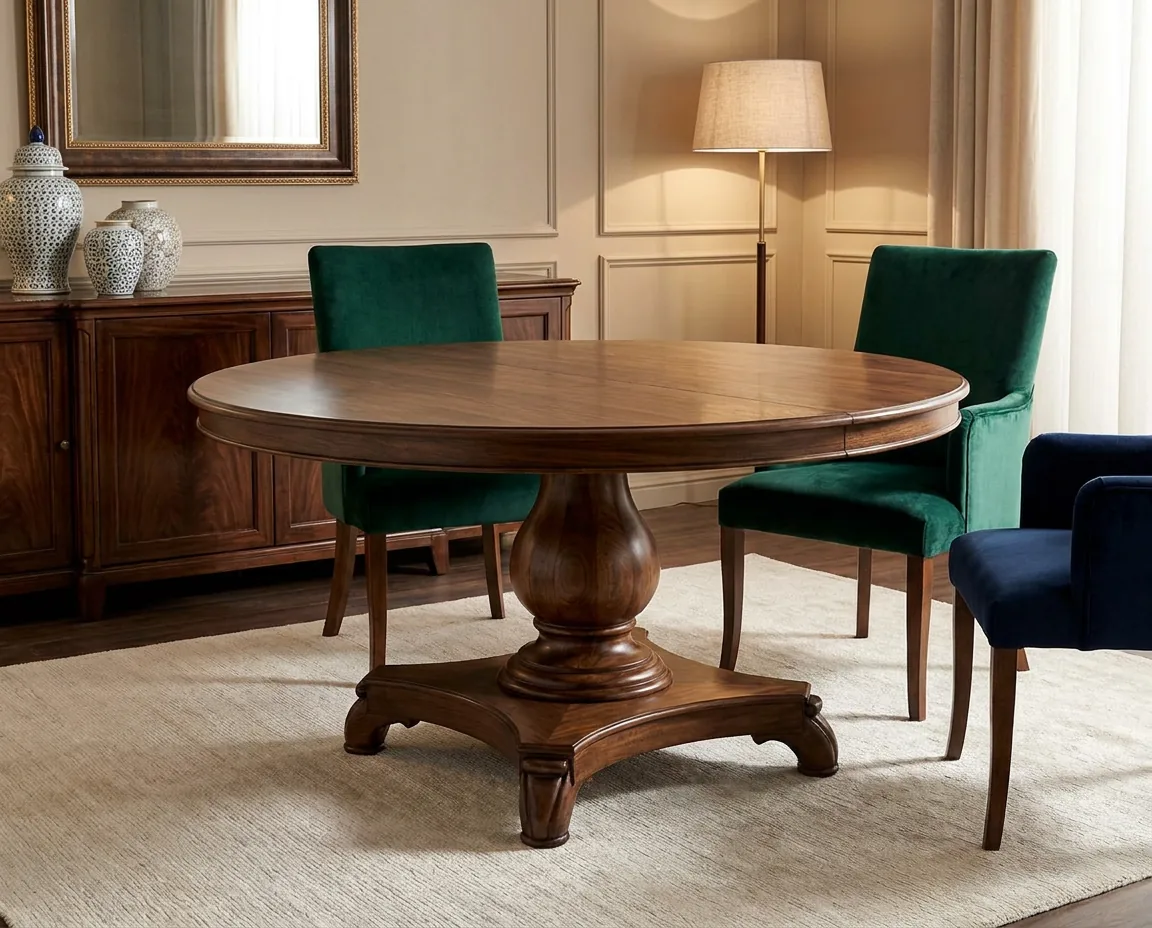
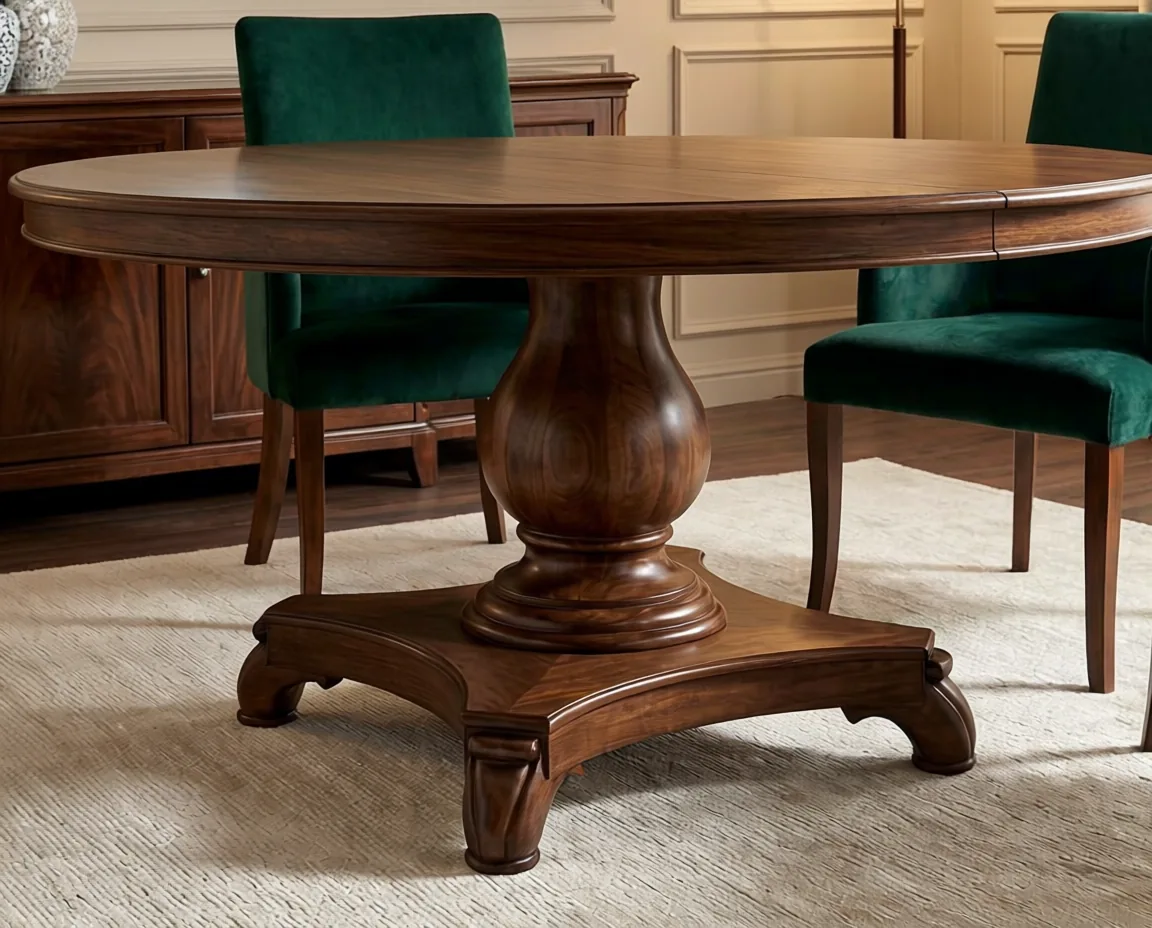
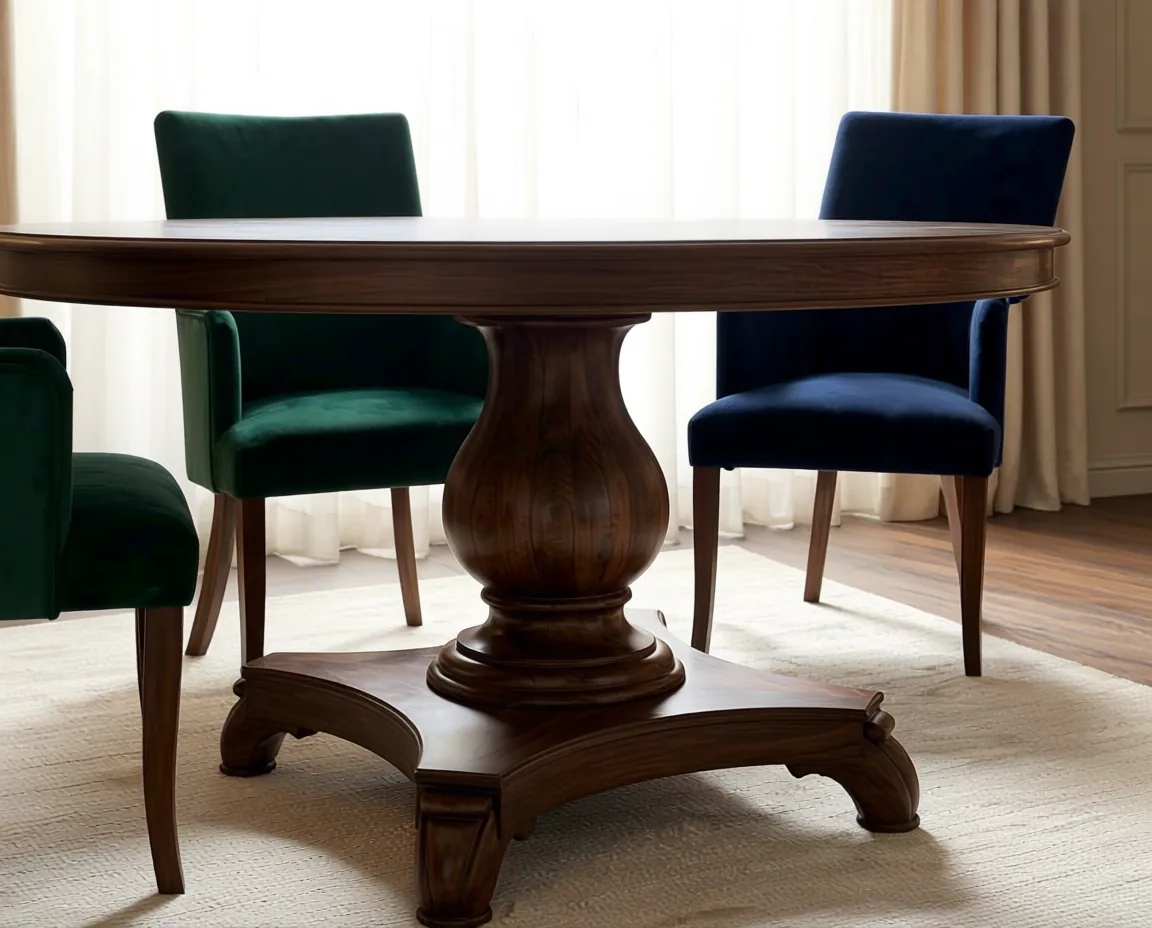
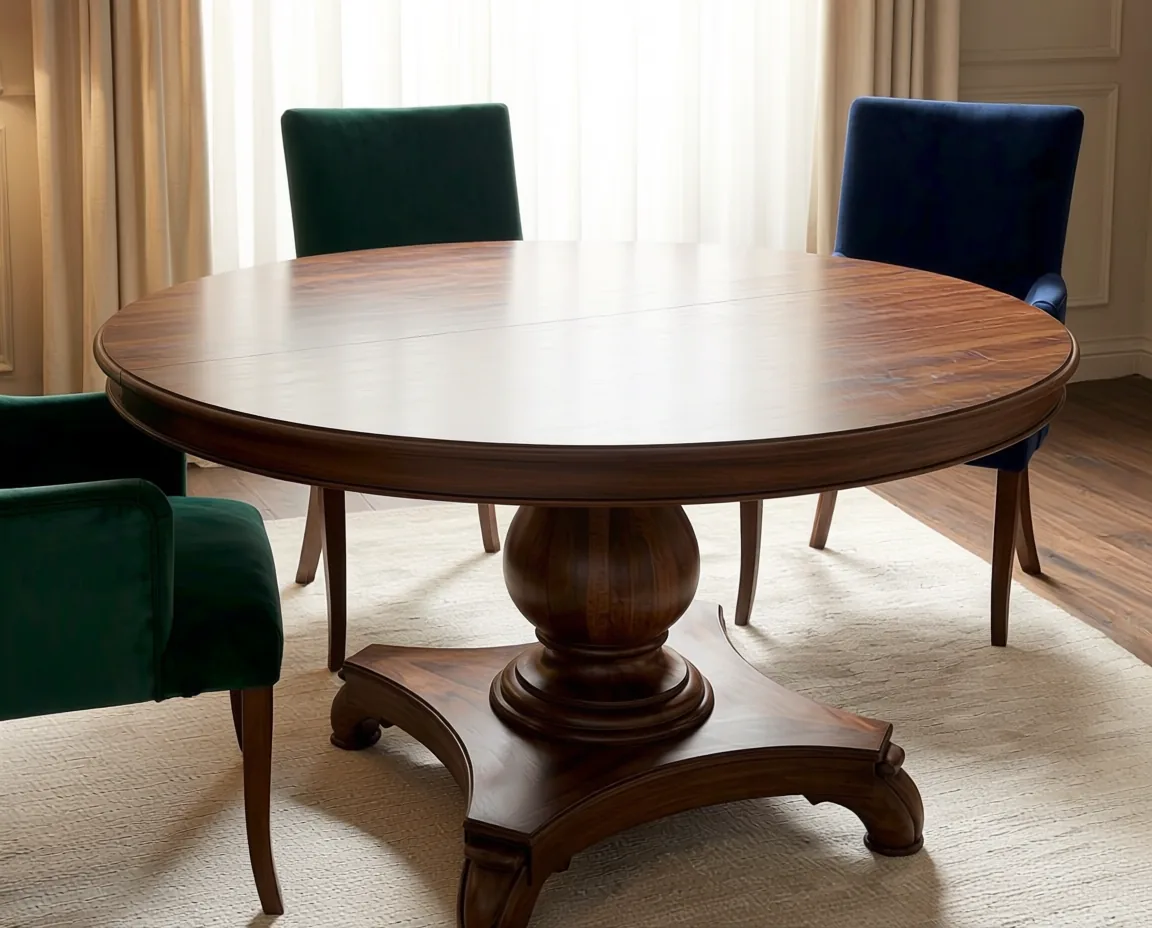
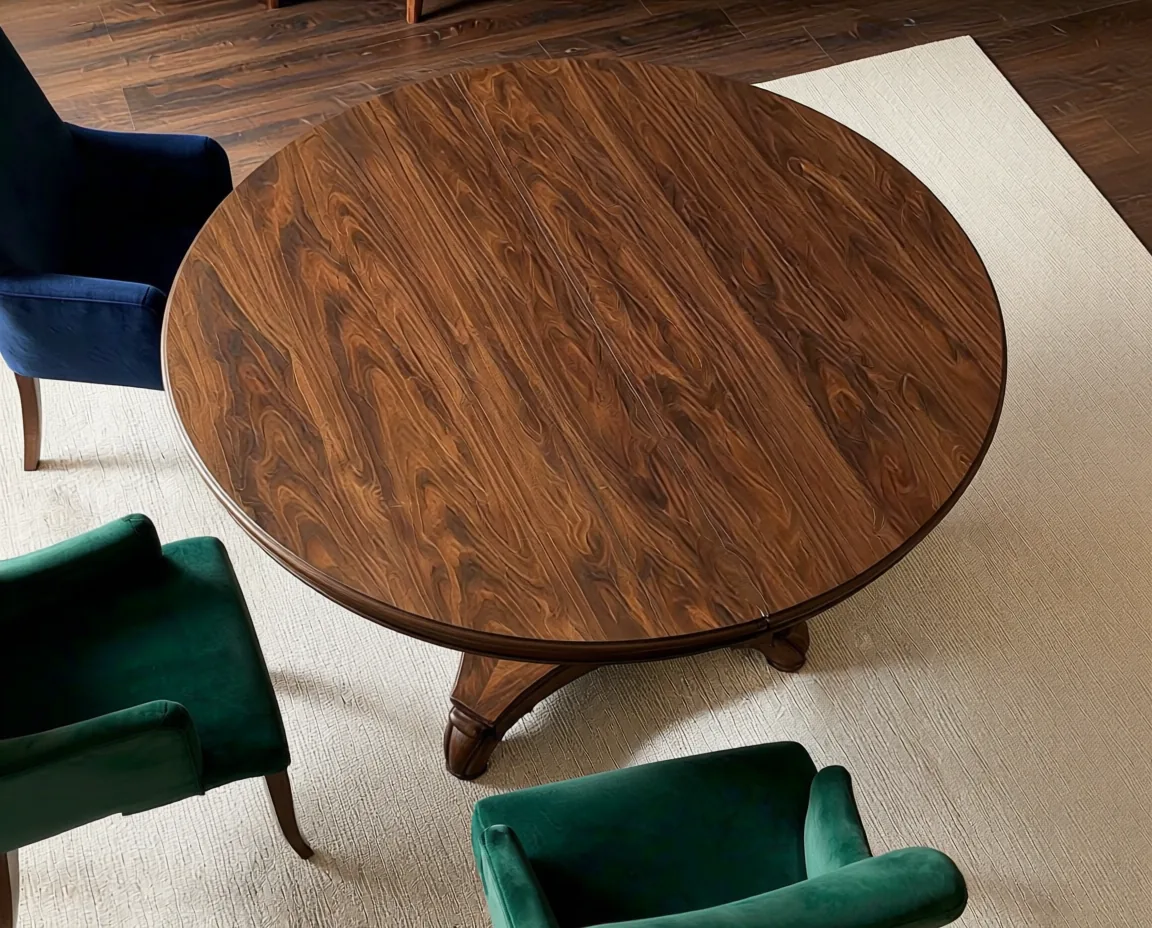
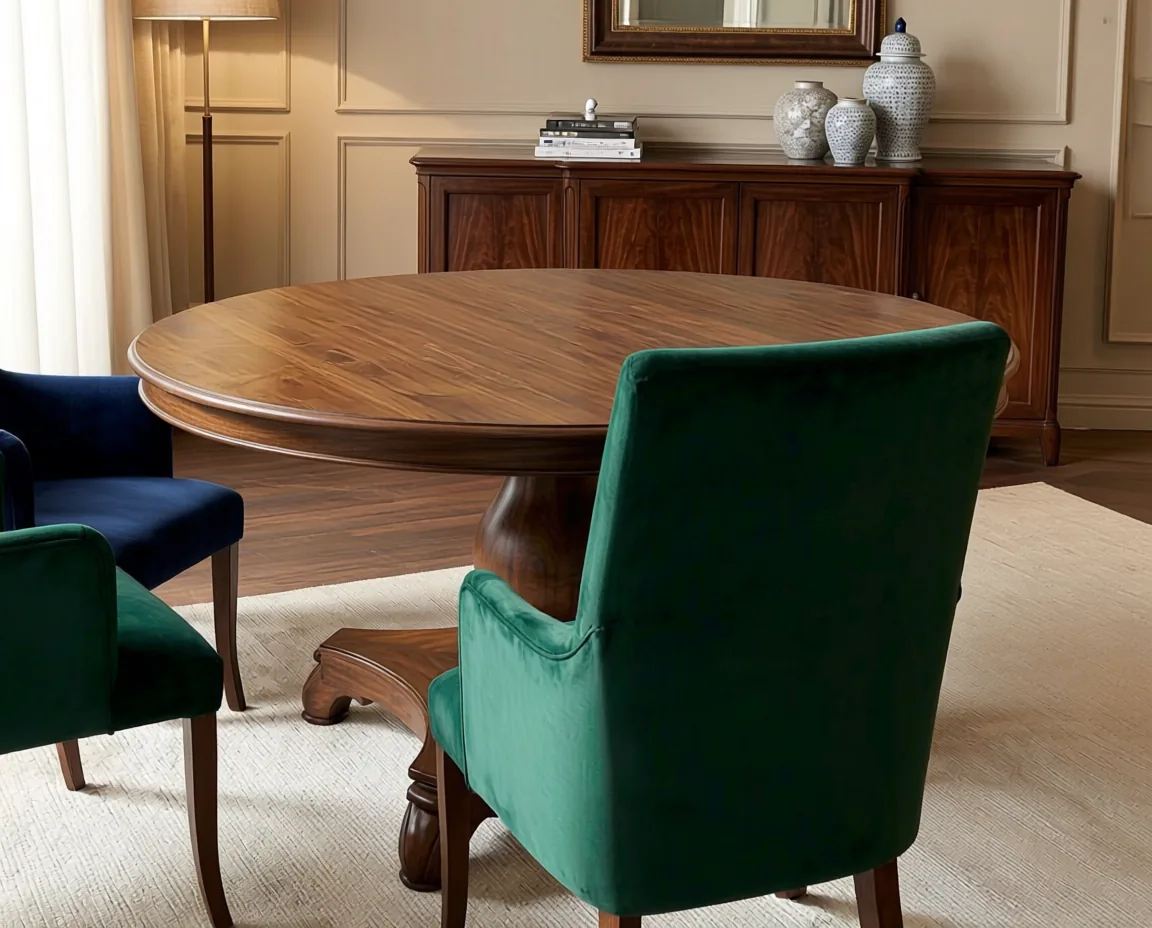
Round Solid Teak Breakfast Table on Turned Baluster Pedestal, William IV Manner
$577.50
Excludes 18% GST · added at checkout · Free shipping & authenticity
From the Curator
""The pedestal is the first thing we make and the last thing we judge. Each one is turned from a single seasoned teak block — we reject any blank with a knot near the bulb, because the bulb takes the load. The top is book-matched from the same tree wherever the timber allows, so the grain meets at the centre line like a reflection. I had the prototype in my own breakfast room for six months before we offered it; the finish you see is the one that survived my coffee machine.""
Details
Authentic
Insured
Curated
About this object
A round breakfast table in solid teak, built on the classic William IV formula: a generous book-matched top, a single turned baluster pedestal swelling to a full vase profile at its centre, and a quadriform plinth resting on four carved scroll-bracket feet. The finish is a hand-rubbed walnut tone that lets the teak's figure run uninterrupted across the top—the grain, not ornament, is the decoration. At roughly four feet across, it seats four in comfort and six in conversation. The pedestal is the piece's engineering and its art in one. Turned from a single block rather than glued staves, the bulb carries the entire top without aprons or stretchers—which is why a pedestal table gives every chair a clean seat, with no leg in anyone's way. The quadriform base answers the physics: its weight and footprint sit low and wide, so the table cannot tip even when leaned on at the rim. The scroll feet are carved, not applied—run a hand under the bracket and the cut is continuous. This is the same structural logic the English workshops perfected two centuries ago, executed here in teak, a harder and more climate-stable timber than the mahogany they used. A round pedestal table is the most sociable shape furniture comes in—no head, no foot, every seat equal—which is why it has owned the breakfast room since the Regency. It serves equally as a four-seat daily dining table in an apartment, a games and cards table in a study, or the centre table of a large foyer. With velvet-upholstered chairs it reads formal; with cane or rush chairs it relaxes completely. Made to order with adjustable size, finish tone and seat count.
Pairs Well
You may also like

Safari Lounge Set in Military Canvas & Mild Steel — Three-Seat Sofa, Two Lounge Chairs & Ottoman
Contemporary (2026)
$1,449.00
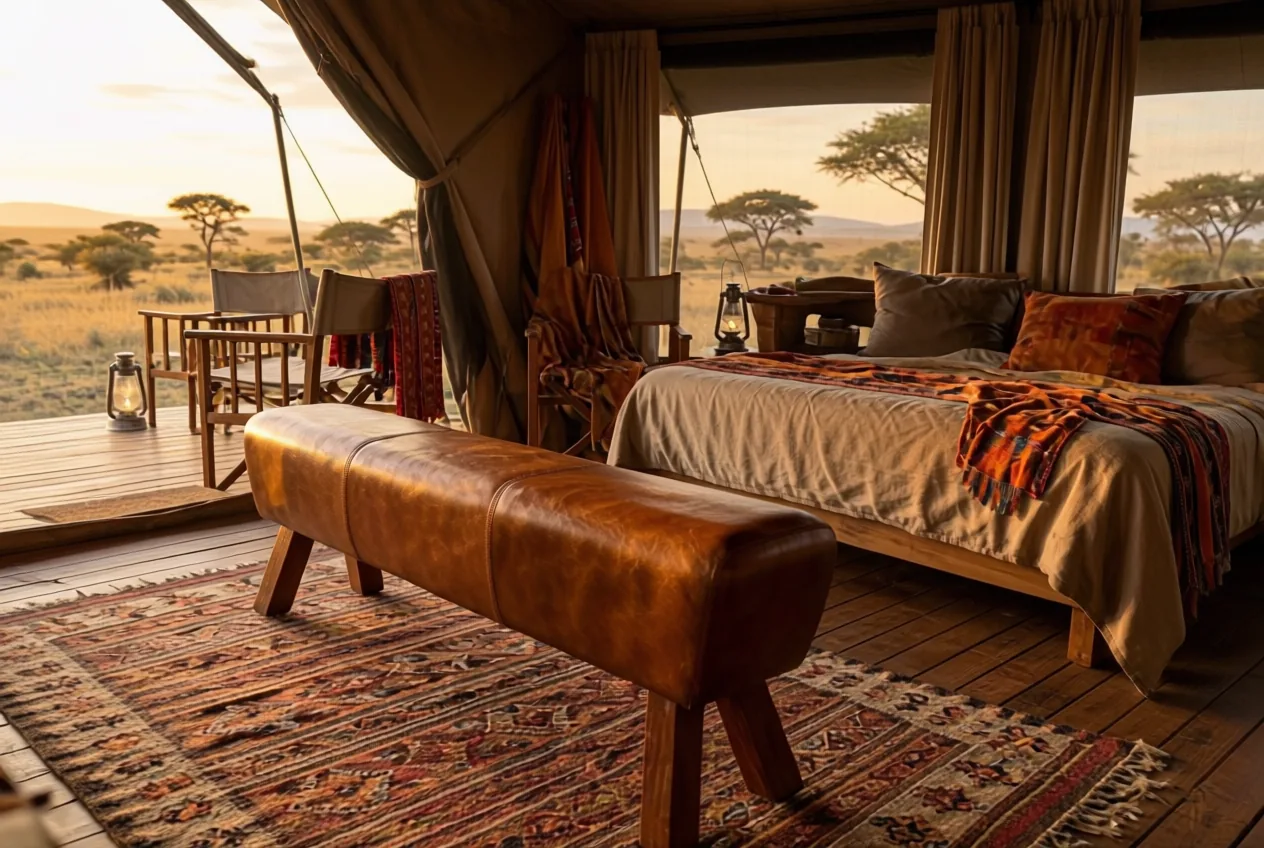
Pommel Bench in Full-Grain Leather on Splayed Hardwood Legs
Contemporary (2026)
$346.50
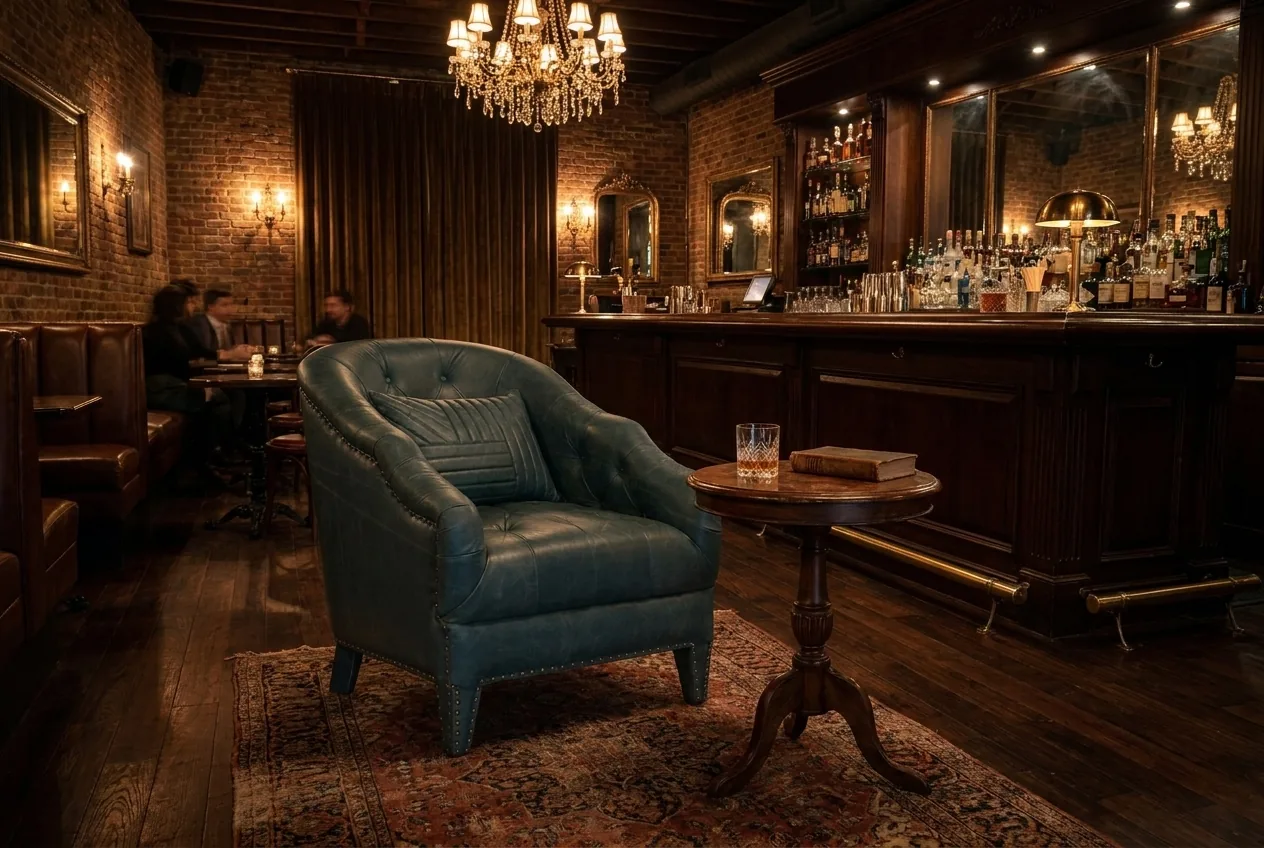
Buttoned Barrel Chair in Petrol-Blue Full-Grain Leather — Bronze Nailheads & Channel-Stitched Pillow
Contemporary (2026) — design lineage: Victorian tub chairs, speakeasy revival
$714.00
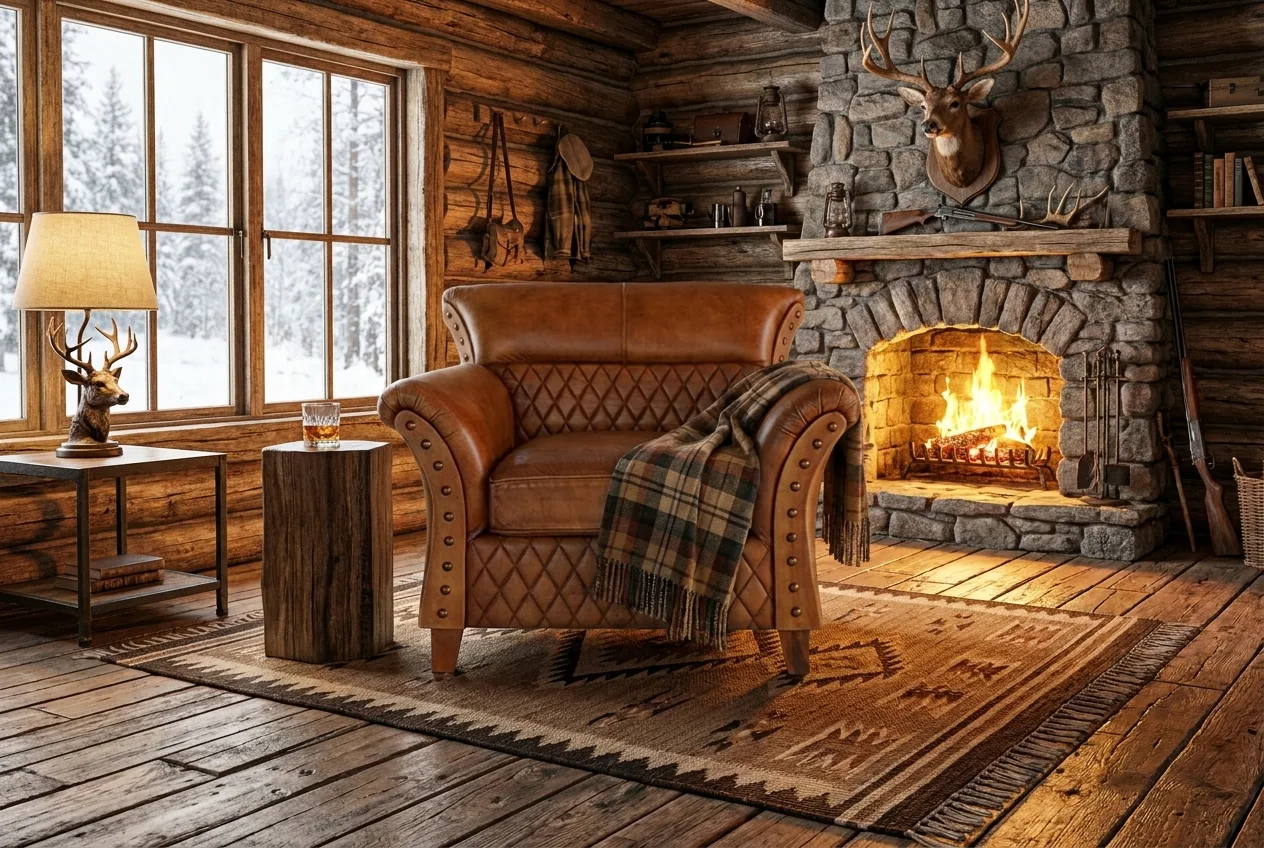
Diamond-Quilted Full-Grain Leather Armchair — Brass-Studded Club Chair
Contemporary (2026)
$714.00
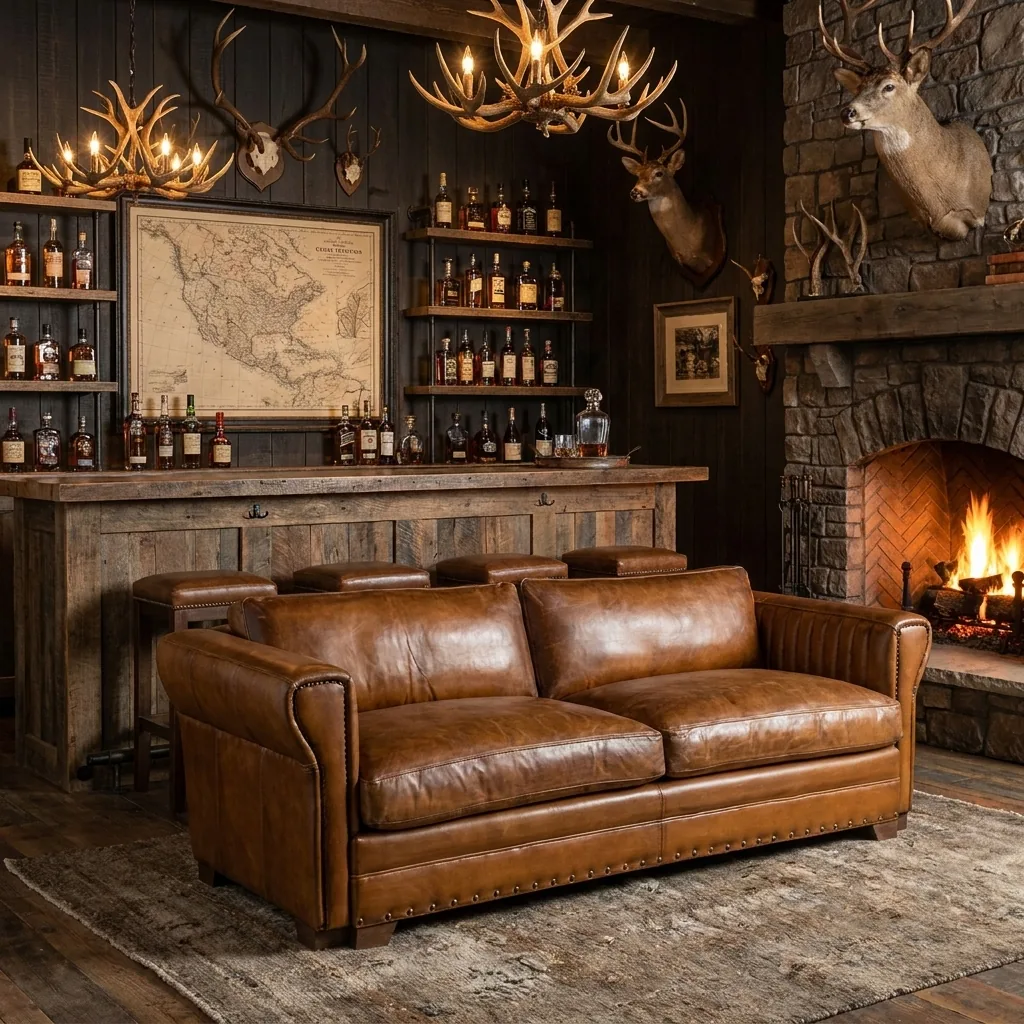
Three-Seat Sofa in Full-Grain Vintage Wax Leather — Channel-Fluted Arms & Bronze Nailheads
Contemporary (2026) — design lineage: English club sofas, 1920s–1930s
$2,047.50
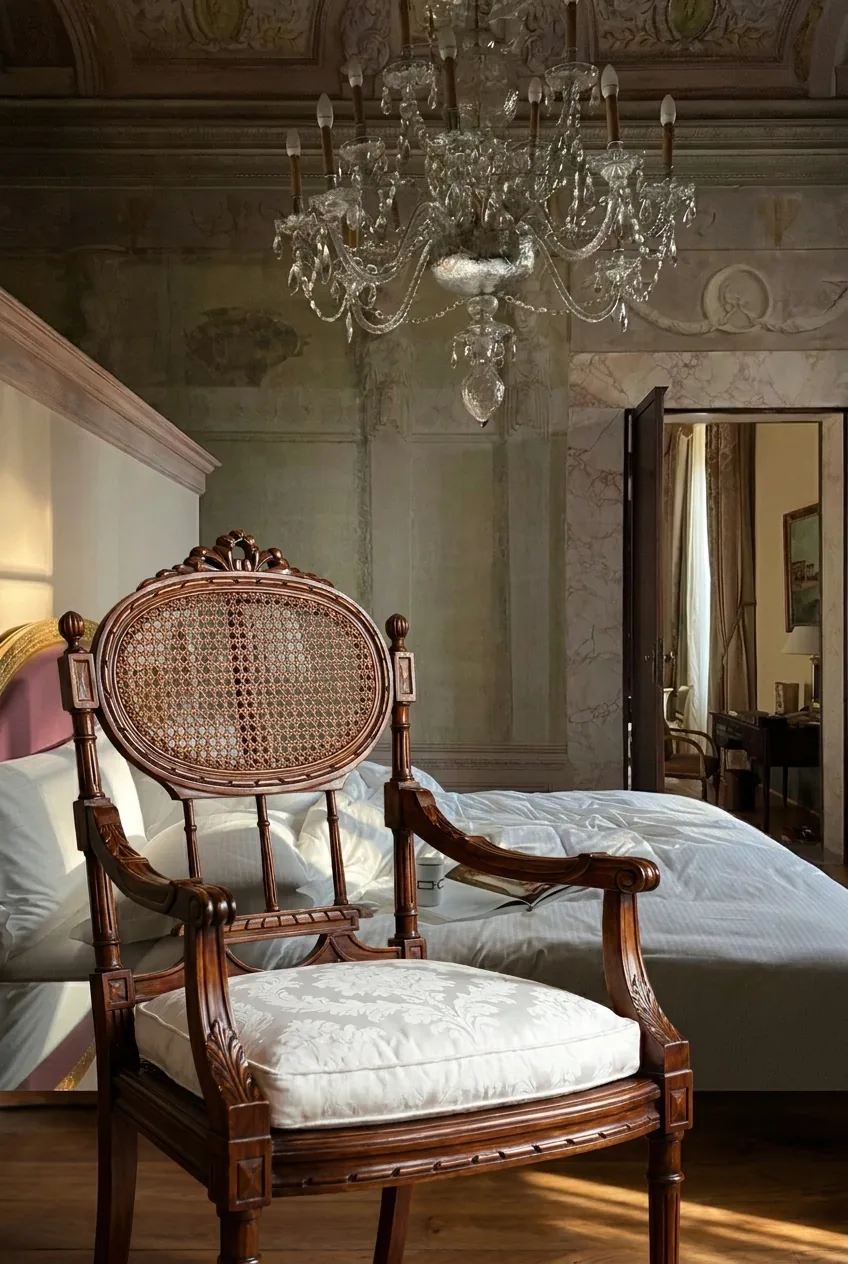
Caned Oval Medallion Armchair in Solid Teak — Ribbon Crest, Spindle Gallery & White Damask Cushion
Contemporary 2026 — Louis XVI design vocabulary (c. 1780s) with Edwardian influence
$409.50