
furniture · Late 19th / Early 20th Century
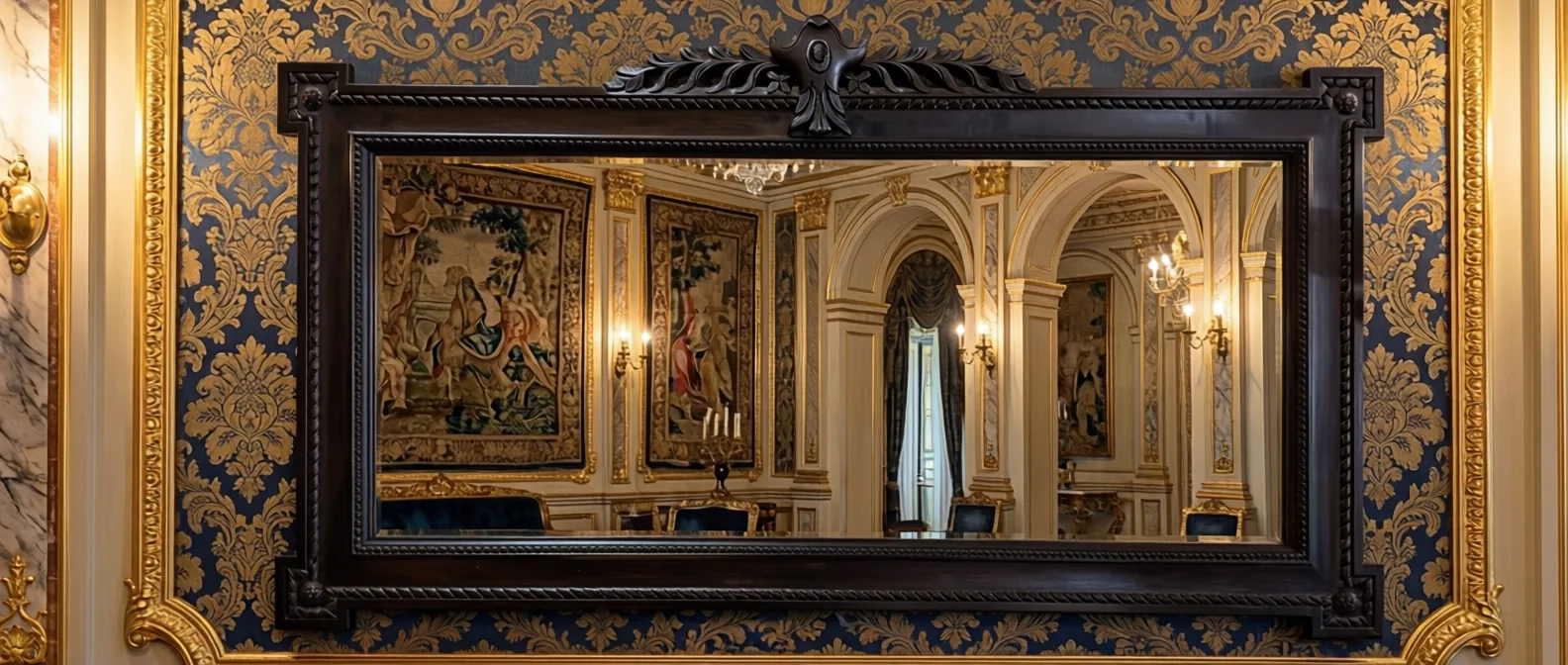
Carved Dark Wood Overmantel Mirror with Foliate Crest and Bevelled Glass
$346.50
Excludes 18% GST · added at checkout · Free shipping & authenticity
Details
Authentic
Insured
Curated
About this object
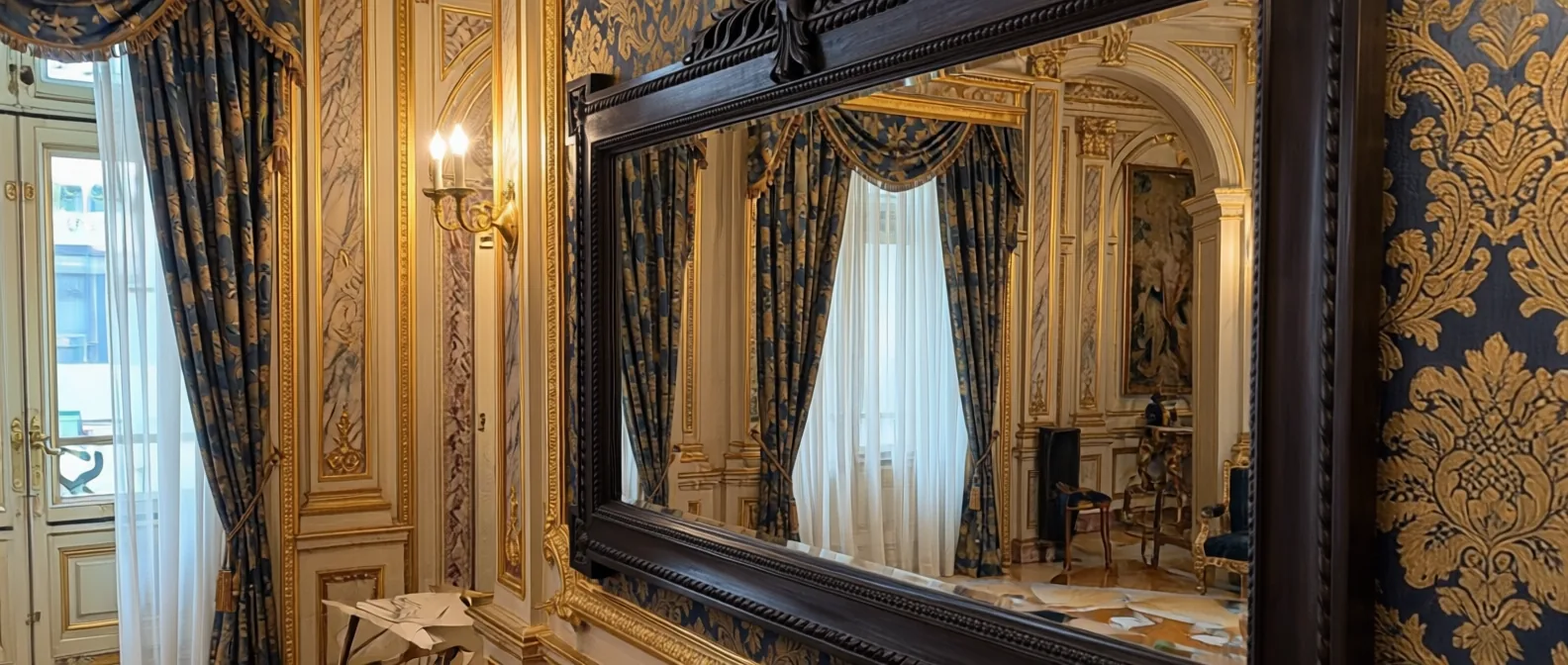
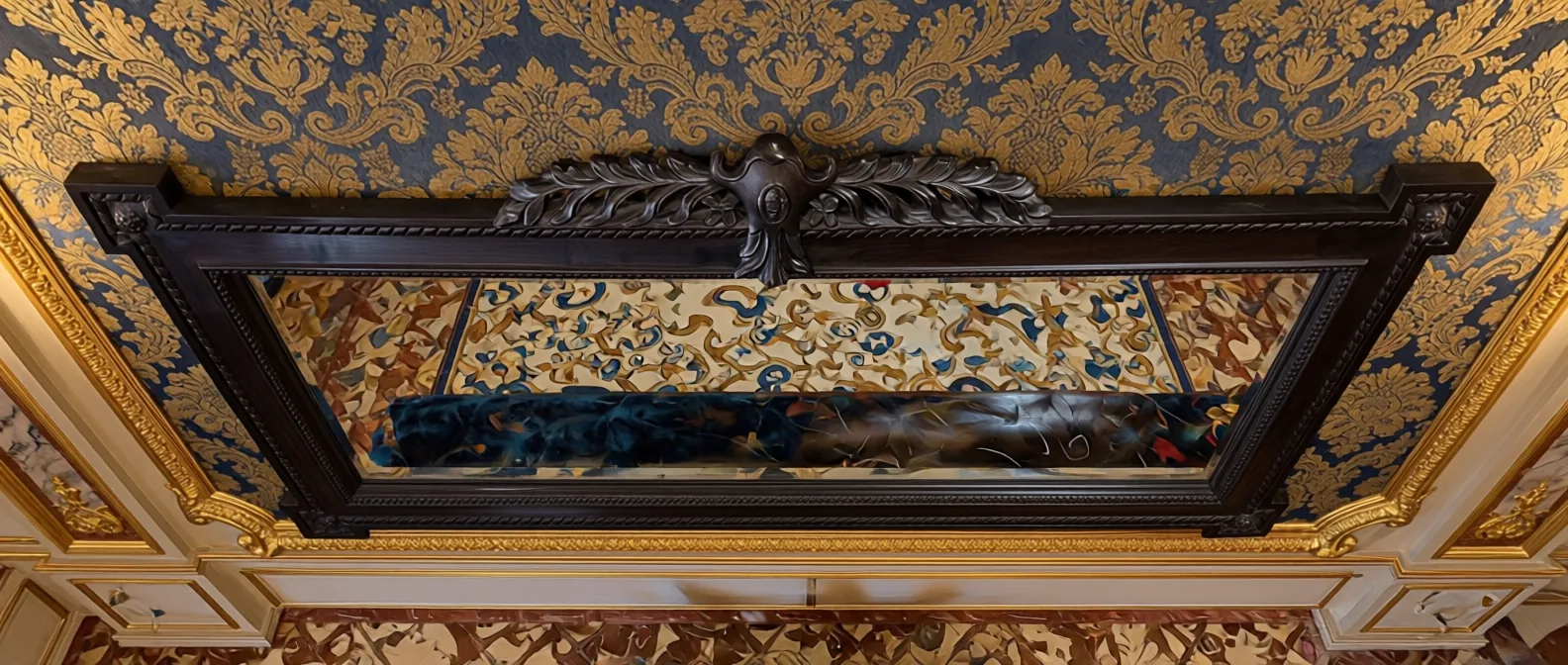
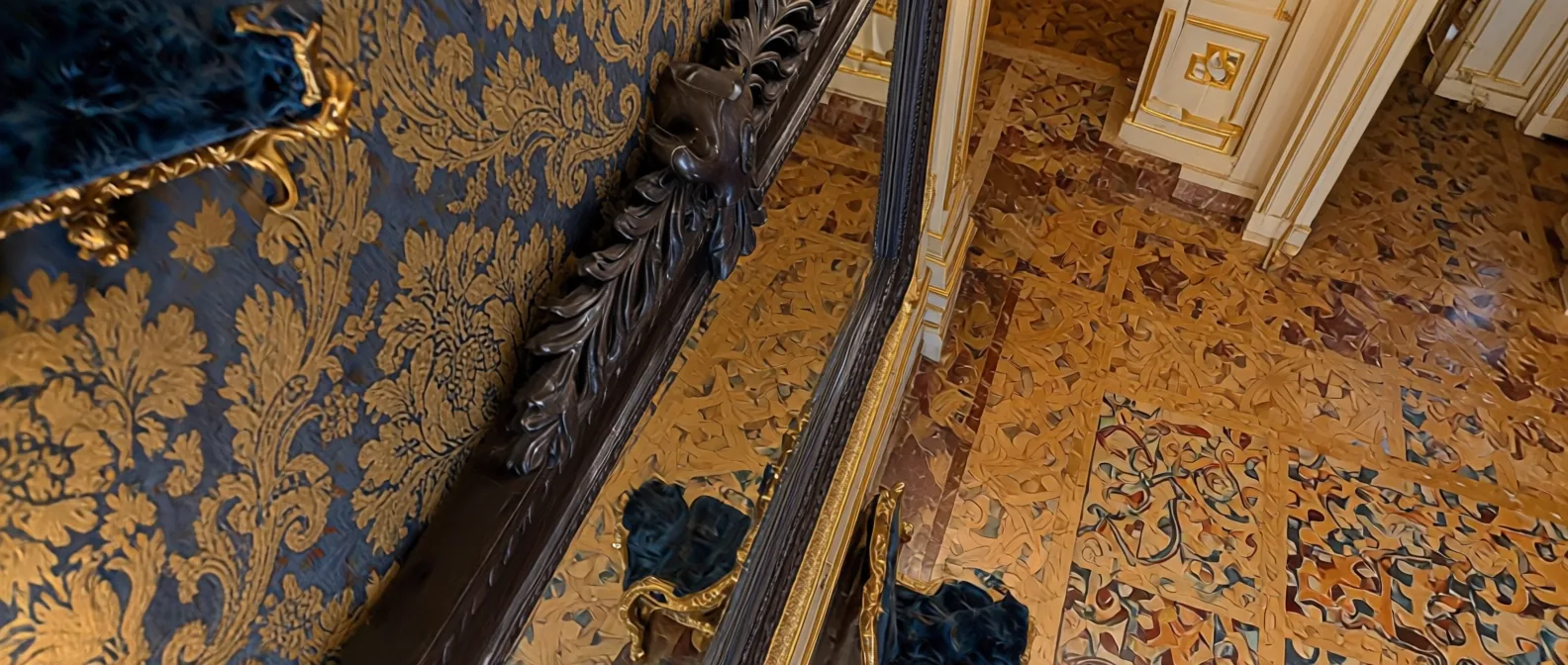
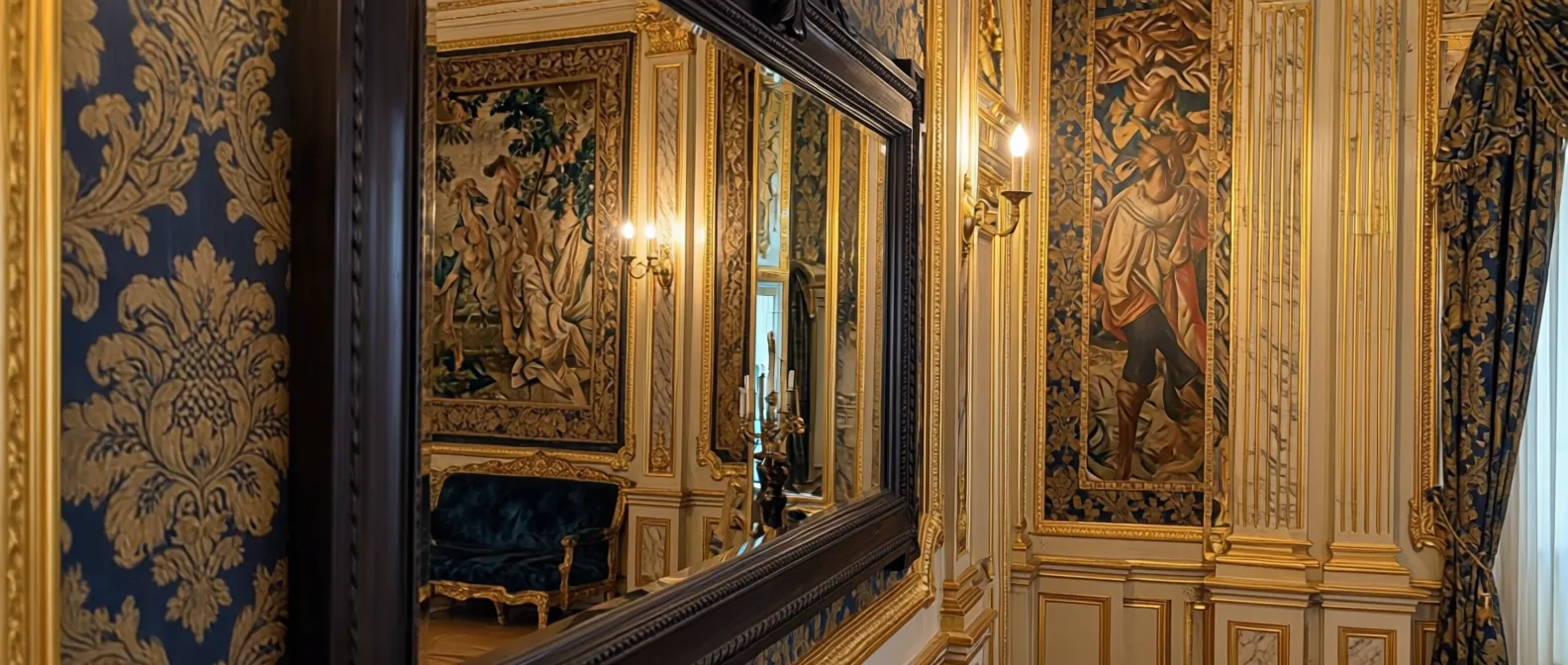
A substantial horizontal overmantel mirror in deeply carved dark hardwood, built in the architectural manner of the late nineteenth century. The frame is composed like a building: projecting corner blocks set with carved rosettes, a continuous rope-twist moulding running the inner border, and a pierced cresting of acanthus leaves sweeping toward a central oval medallion. The bevelled plate sits deep within the frame, its angled edge catching candlelight the way flat modern glass never does. The dark, close-grained timber—in the rosewood tradition that Anglo-Indian workshops made their signature—gives the piece a gravity that gilt mirrors cannot match. The carving is the work to study. The cresting is cut in the round, not applied—leaves pierced clean through so light passes behind them, each frond resolving into the next with no break in the line. Rope-twist moulding of this consistency is run by hand with a V-tool over nearly five metres of border; one slip shows forever, and there are none. The corner-block construction is the honest, architectural method: it carries the considerable weight of the plate through the frame's strongest joints rather than asking mitres to do structural work. A mirror of this width is an architectural decision. Hang it above a mantelpiece, a long console, or a sideboard in a dining room, where it will double the light of every candle and lamp in the room—which is precisely what these mirrors were built to do. Its dark frame holds its own against strong wall treatments; against a pale wall it becomes the room's anchor. In an Indian home it carries a particular resonance: this is the mirror of the club anteroom and the civil-lines bungalow, returned to the setting it was made for.
Pairs Well
You may also like

Safari Lounge Set in Military Canvas & Mild Steel — Three-Seat Sofa, Two Lounge Chairs & Ottoman
Contemporary (2026)
$1,449.00
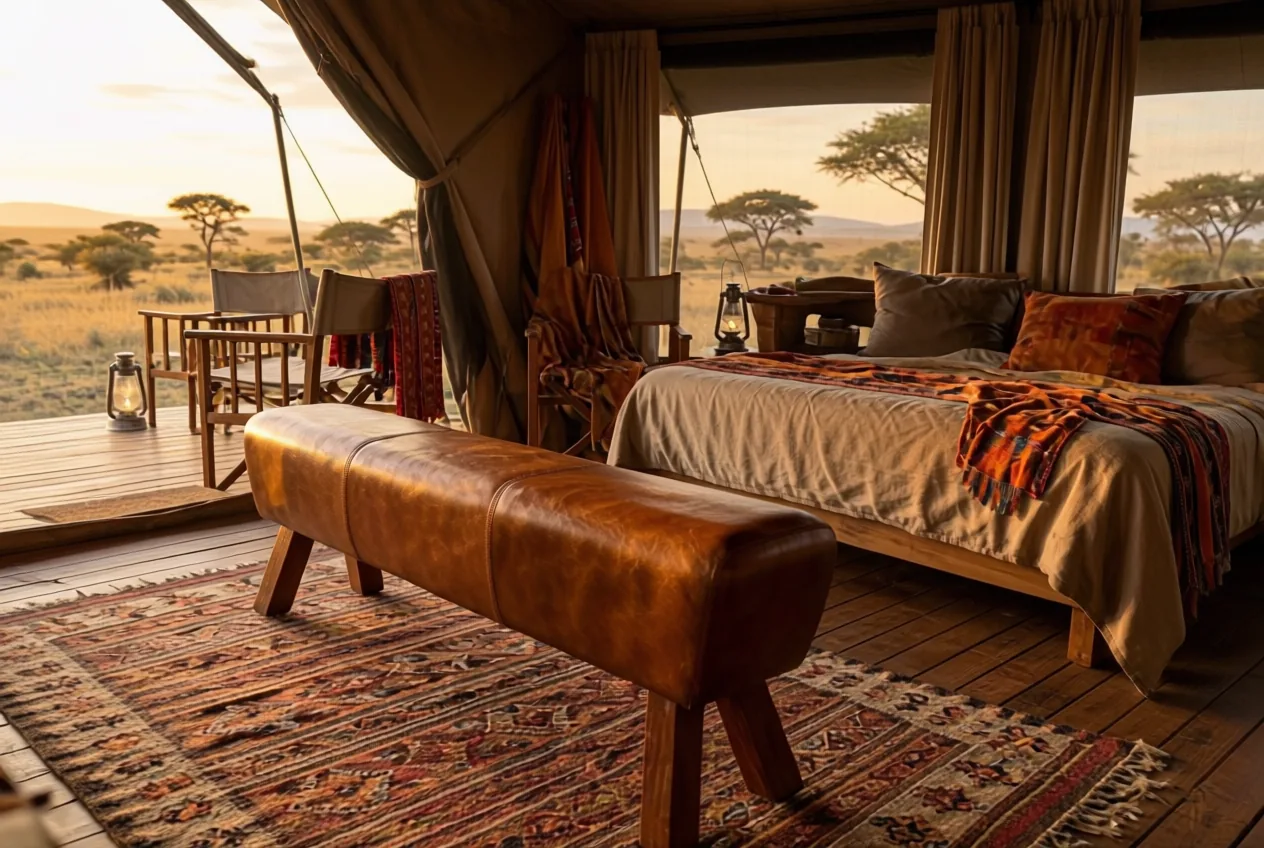
Pommel Bench in Full-Grain Leather on Splayed Hardwood Legs
Contemporary (2026)
$346.50
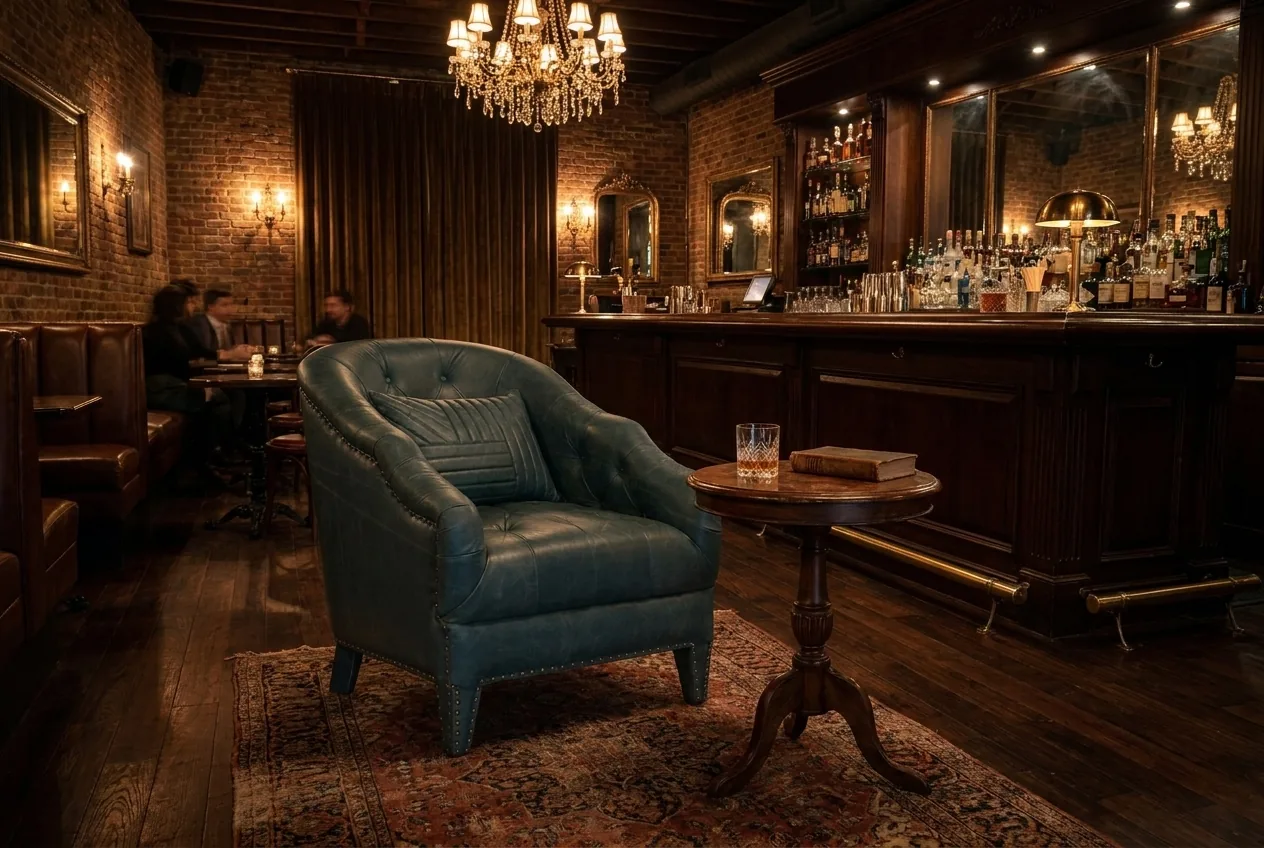
Buttoned Barrel Chair in Petrol-Blue Full-Grain Leather — Bronze Nailheads & Channel-Stitched Pillow
Contemporary (2026) — design lineage: Victorian tub chairs, speakeasy revival
$714.00
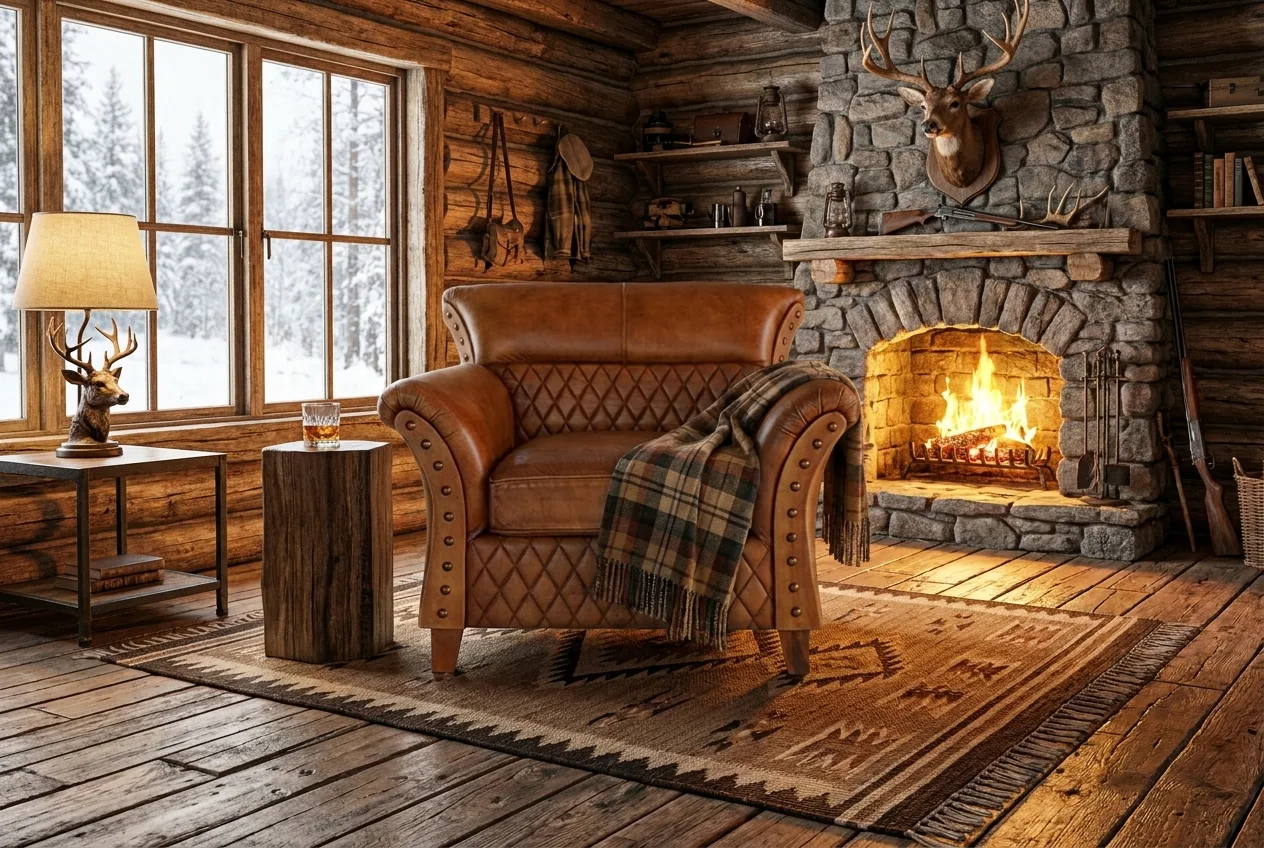
Diamond-Quilted Full-Grain Leather Armchair — Brass-Studded Club Chair
Contemporary (2026)
$714.00
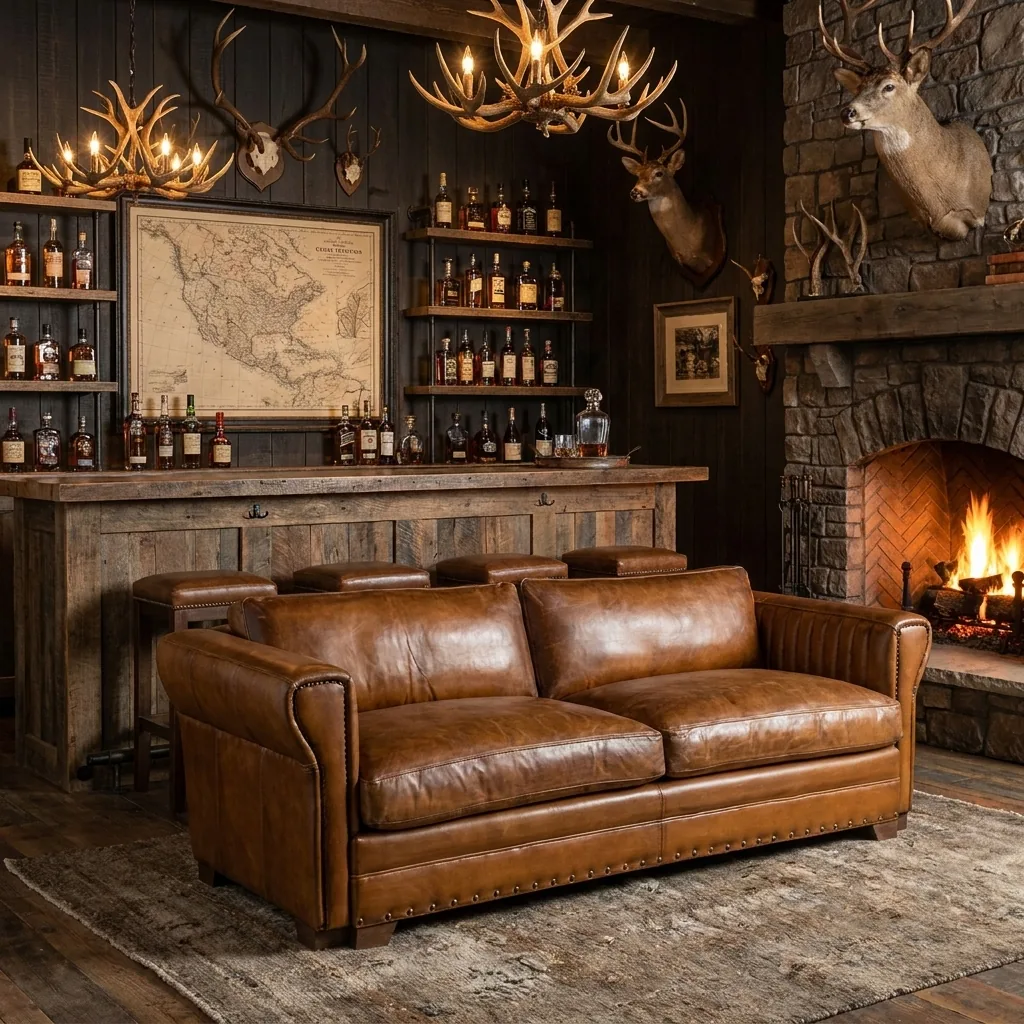
Three-Seat Sofa in Full-Grain Vintage Wax Leather — Channel-Fluted Arms & Bronze Nailheads
Contemporary (2026) — design lineage: English club sofas, 1920s–1930s
$2,047.50
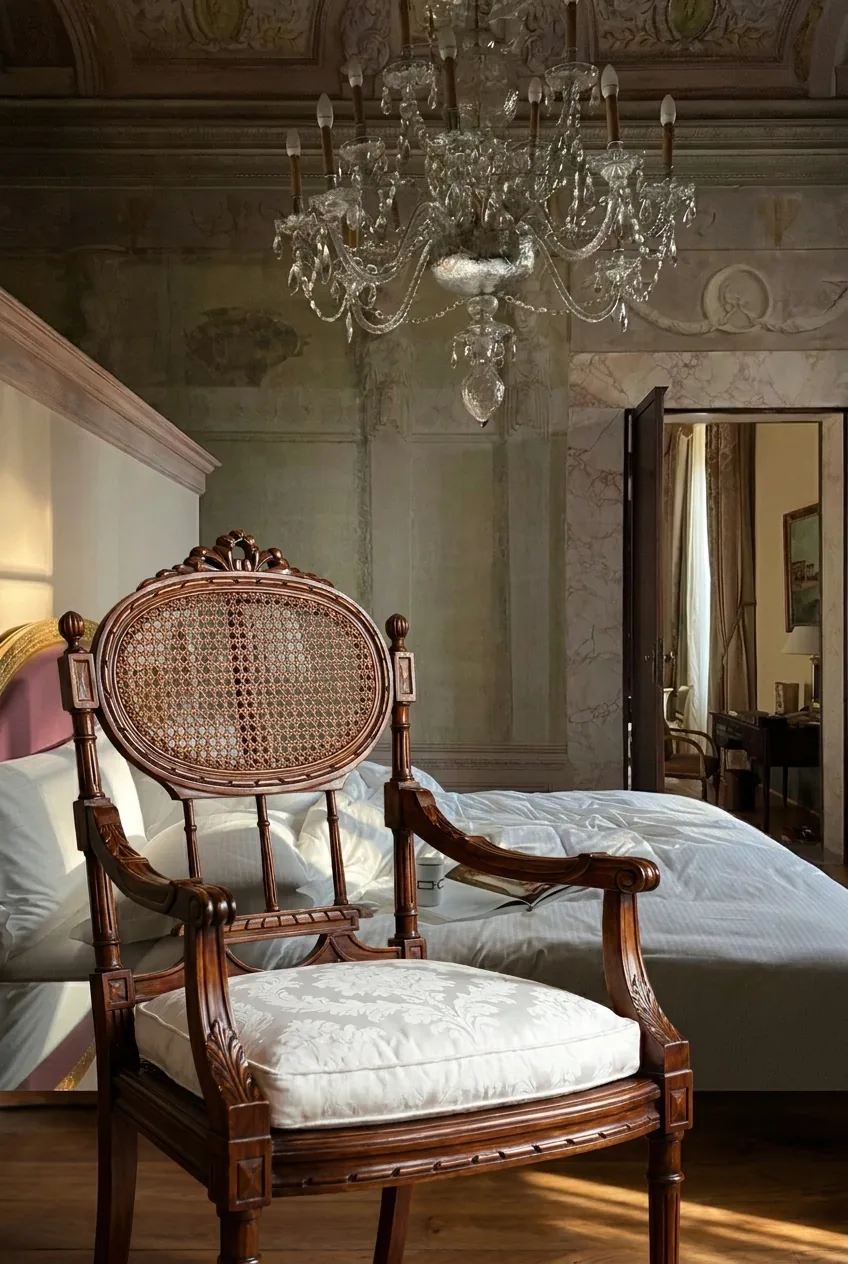
Caned Oval Medallion Armchair in Solid Teak — Ribbon Crest, Spindle Gallery & White Damask Cushion
Contemporary 2026 — Louis XVI design vocabulary (c. 1780s) with Edwardian influence
$409.50