

furniture · 2000s–2010s (heritage reproduction)
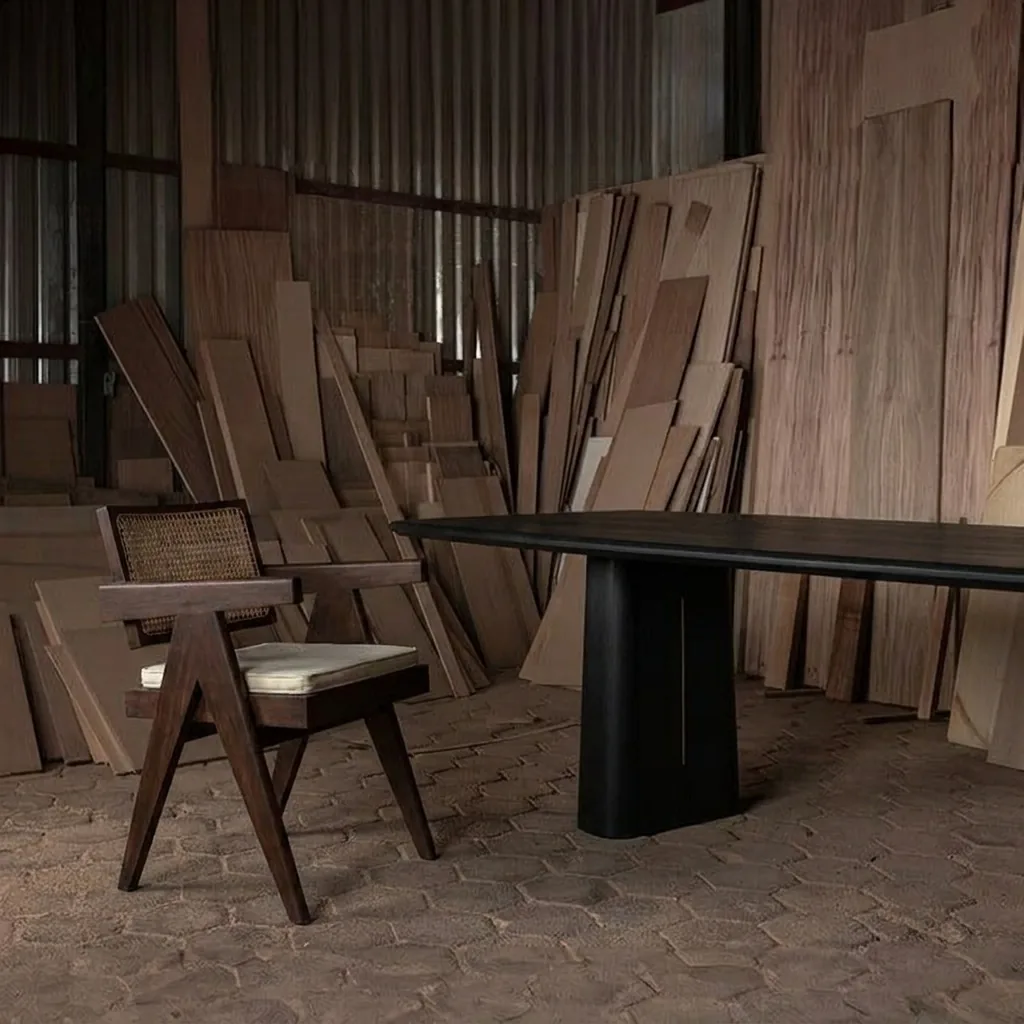
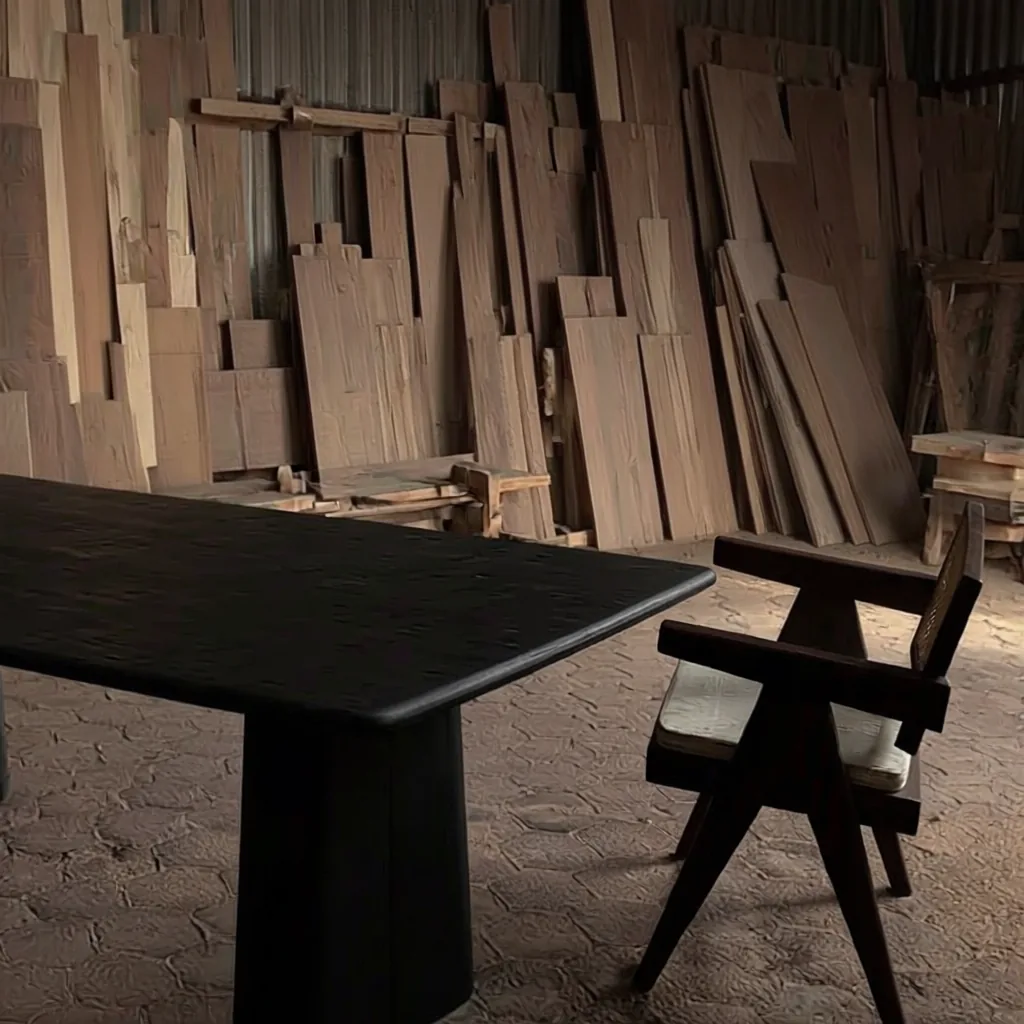
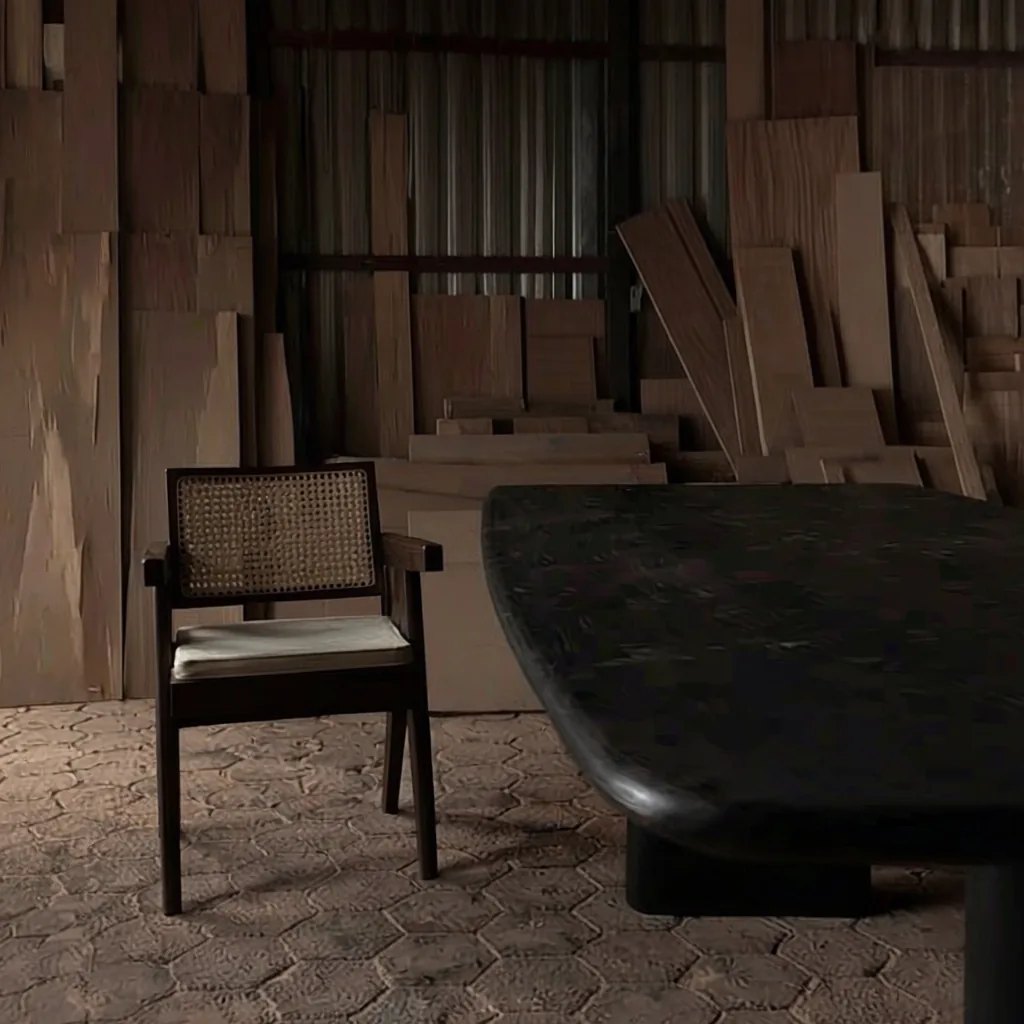
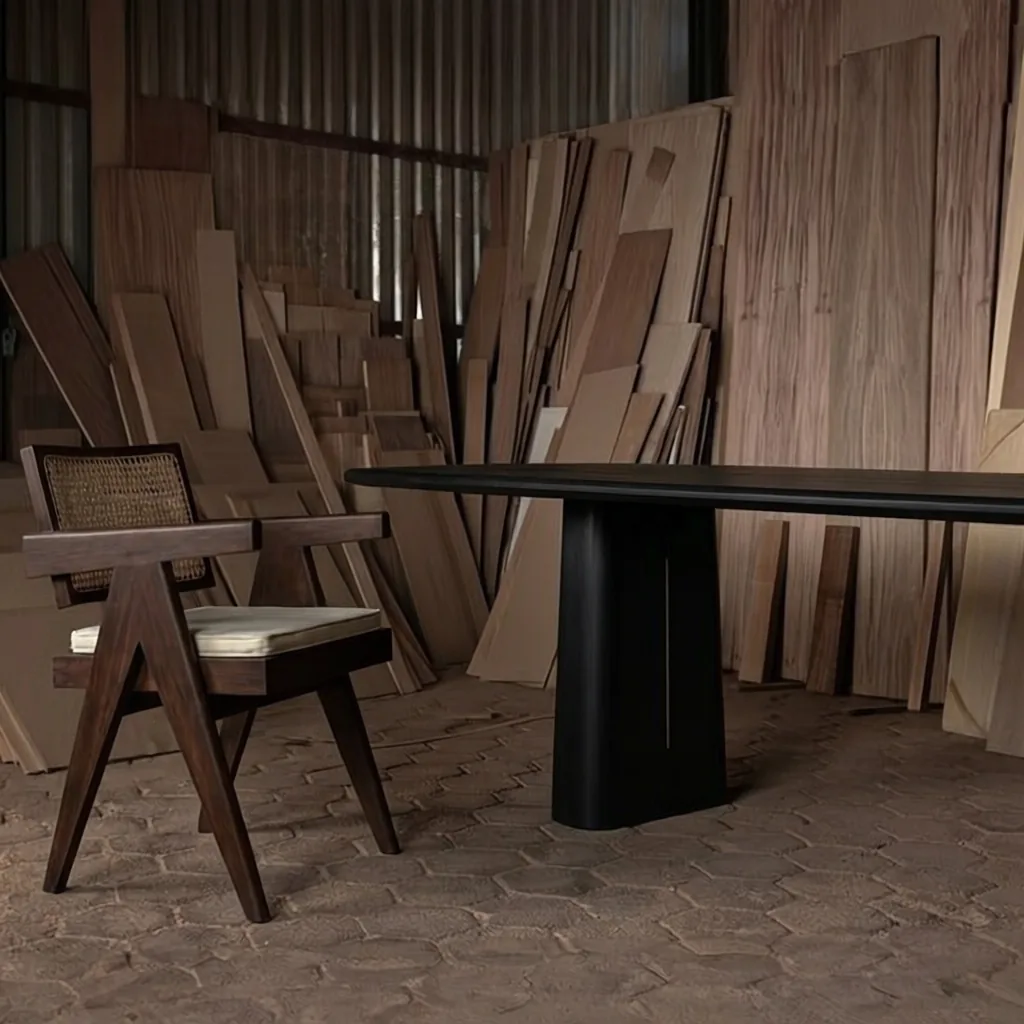
Chandigarh-Style Teak & Cane Armchair – Dark Ebonised Finish
₹15,000
Excludes 18% GST · added at checkout · Free shipping & authenticity
This armchair belongs to one of the most consequential design lineages in post-independence India — the civic furniture tradition of Chandigarh, developed in the 1950s under the architectural vision of Le Corbusier and executed by his cousin Pierre Jeanneret in close collaboration with local Punjab craftsmen. Constructed in solid teak finished to a rich near-ebony depth, its frame is characterised by the iconic splayed V-leg rear assembly and flat-plane armrests that give the form its unmistakable structural authority. The back panel is hand-woven in natural open cane — a material that breathes, ages beautifully, and speaks to a tradition of subcontinental craft that predates the Modernist project that eventually immortalised it. The construction method is uncompromisingly honest: mortise-and-tenon joinery throughout, no veneers, no upholstered concealment of the frame. The cane weave on the backrest follows a tight hexagonal or open-square pattern hand-pulled through a routed groove and pegged at the frame perimeter — a technique requiring both patience and precision that few contemporary workshops still execute faithfully. The dark finish, achieved through an ebonising or deep-stain process, is worked into the grain rather than sitting on top of it, giving the teak a matte, antiquarian quality that photographs as charcoal and reads in room as a controlled darkness. This chair does not belong in a room that is trying to be something — it belongs in a room that already knows what it is. Position it at a dining table of stone, concrete, or blackened wood; in a study alongside raw linen drapes and a single floor lamp; or as a standalone object in an entrance hall where its silhouette can hold the wall. Acquired directly from a craftsman's workshop on the outskirts of Panchkula, where teak planks are still seasoned in open sheds through two monsoons before any saw touches them. The maker, third generation in the trade, pulled the cane by hand — a testament to the enduring craft tradition that defines Chandigarh's design legacy.
Authentic
Insured
Curated
Pairs Well
You may also like
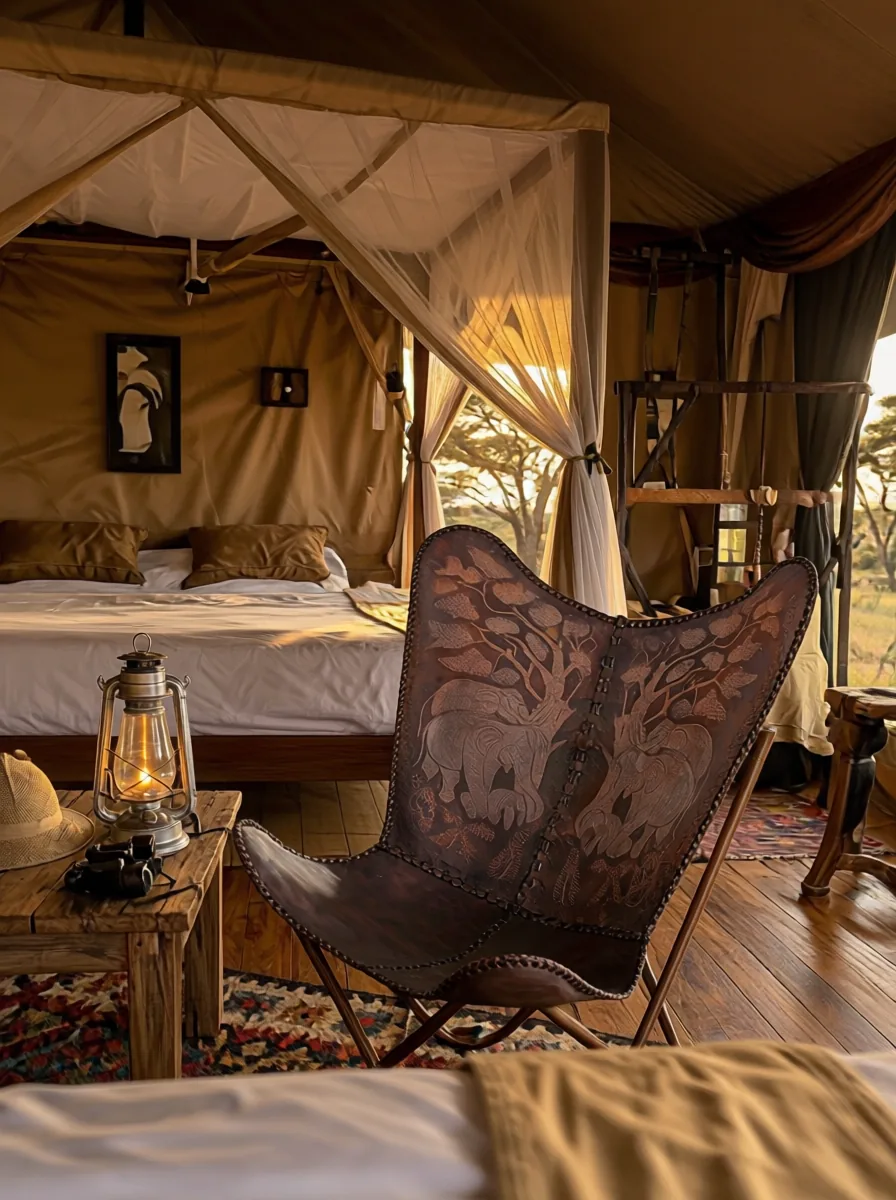
Tooled Full-Grain Leather Butterfly Chair — Elephant & Sacred Tree Motif, Camp Collection
Contemporary, 2026
₹9,500
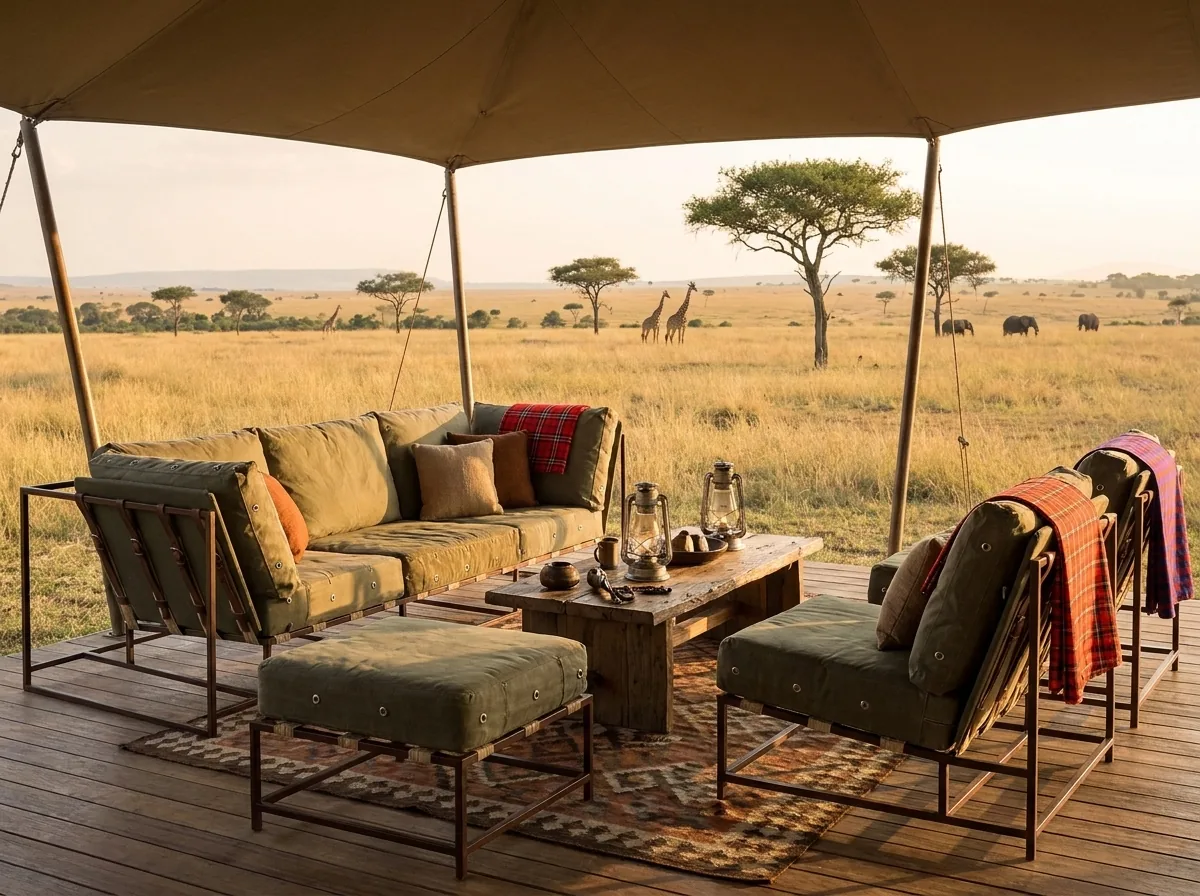
Safari Lounge Set in Military Canvas & Mild Steel — Three-Seat Sofa, Two Lounge Chairs & Ottoman
Contemporary (2026)
₹1,38,000
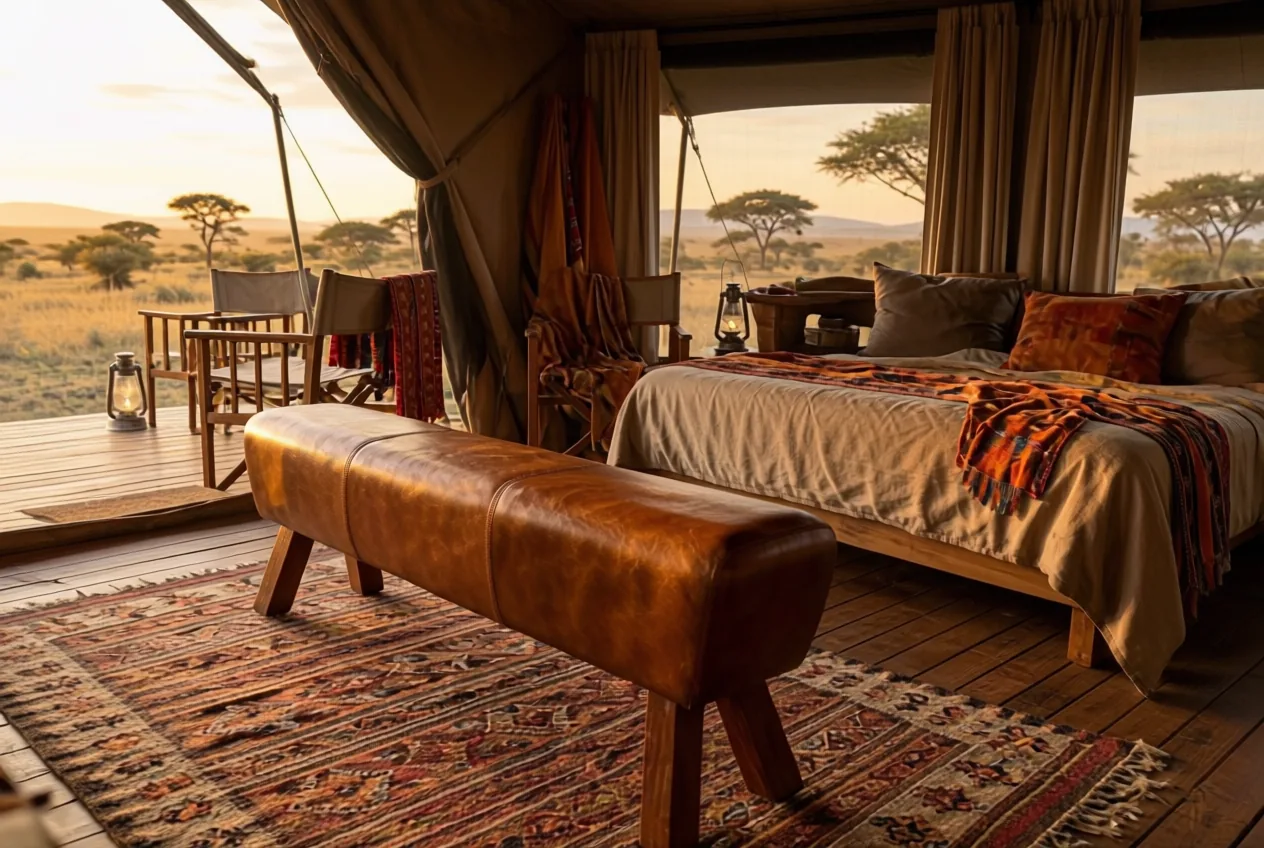
Pommel Bench in Full-Grain Leather on Splayed Hardwood Legs
Contemporary (2026)
₹33,000
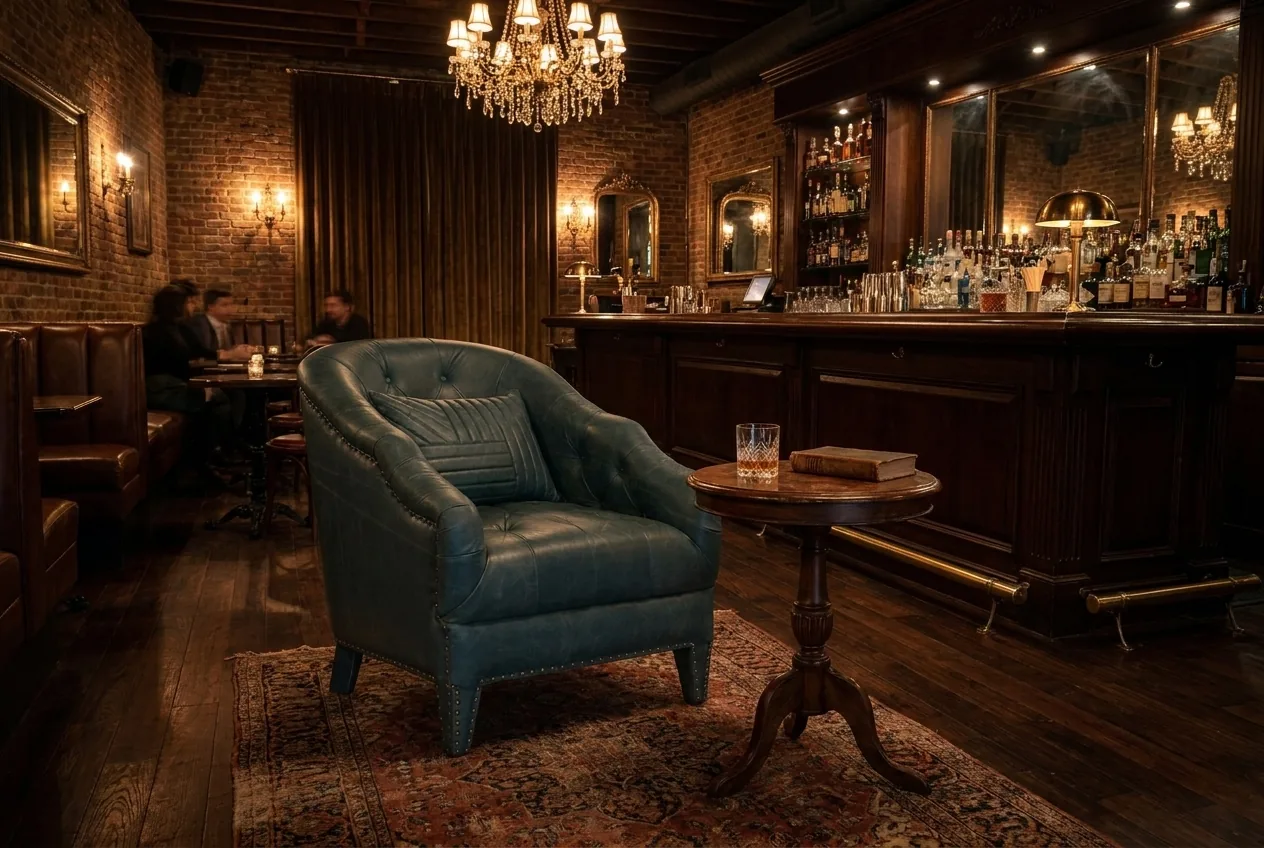
Buttoned Barrel Chair in Petrol-Blue Full-Grain Leather — Bronze Nailheads & Channel-Stitched Pillow
Contemporary (2026) — design lineage: Victorian tub chairs, speakeasy revival
₹68,000
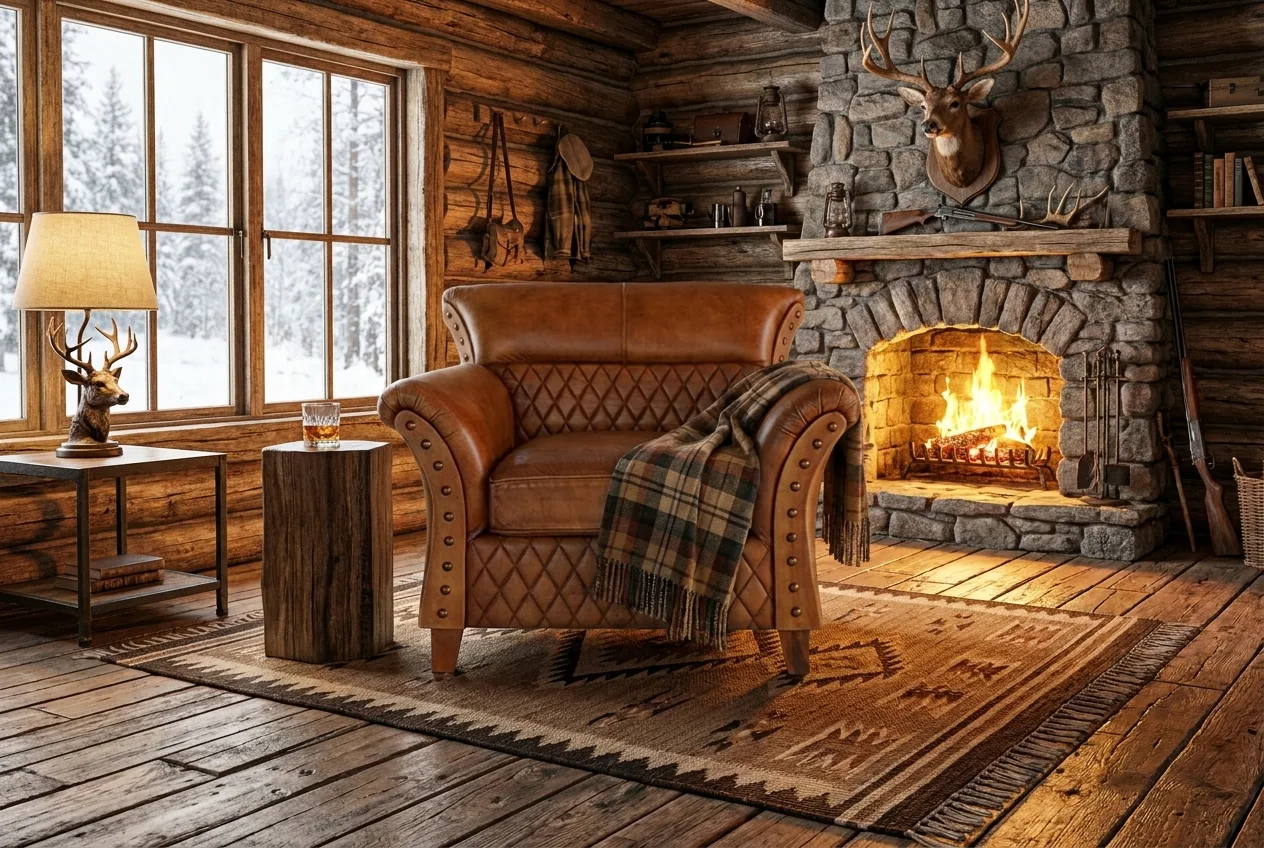
Diamond-Quilted Full-Grain Leather Armchair — Brass-Studded Club Chair
Contemporary (2026)
₹68,000
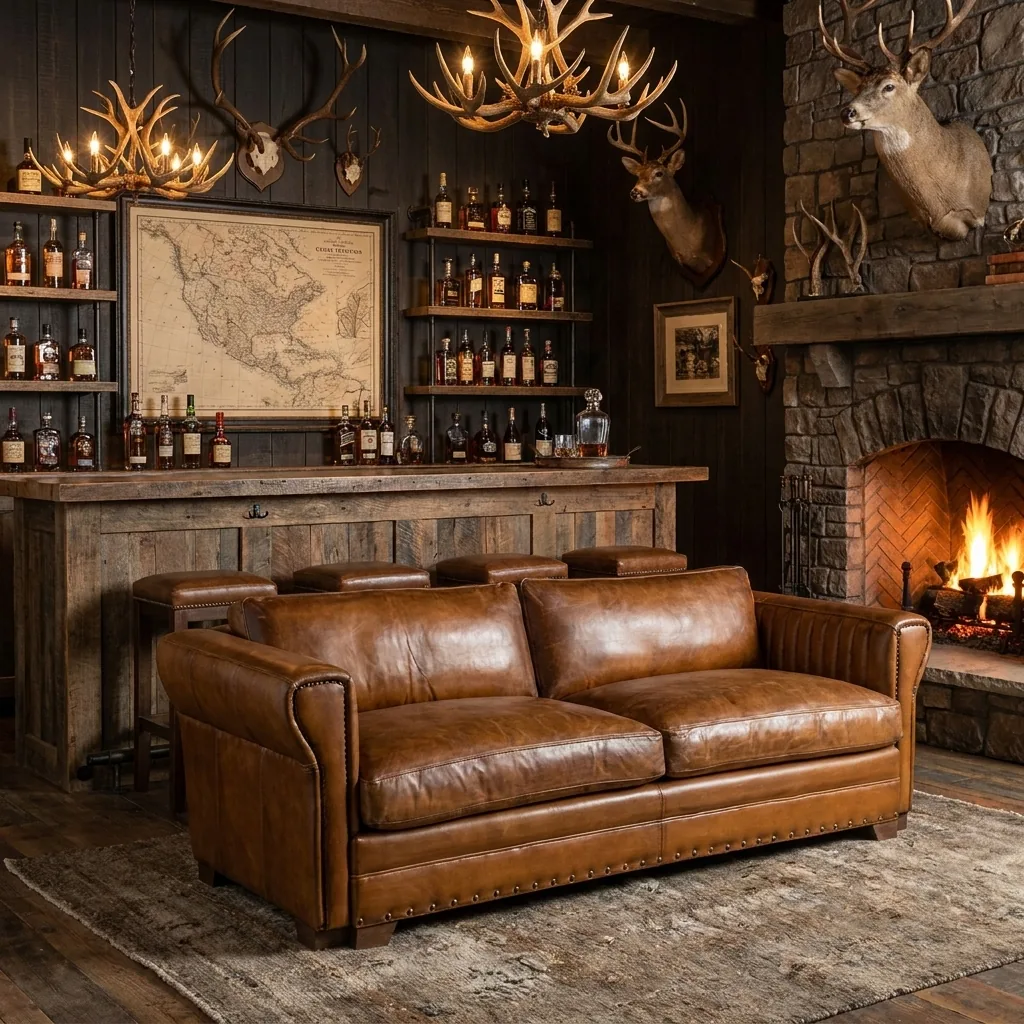
Three-Seat Sofa in Full-Grain Vintage Wax Leather — Channel-Fluted Arms & Bronze Nailheads
Contemporary (2026) — design lineage: English club sofas, 1920s–1930s
₹1,95,000