
furniture · Contemporary, 2026
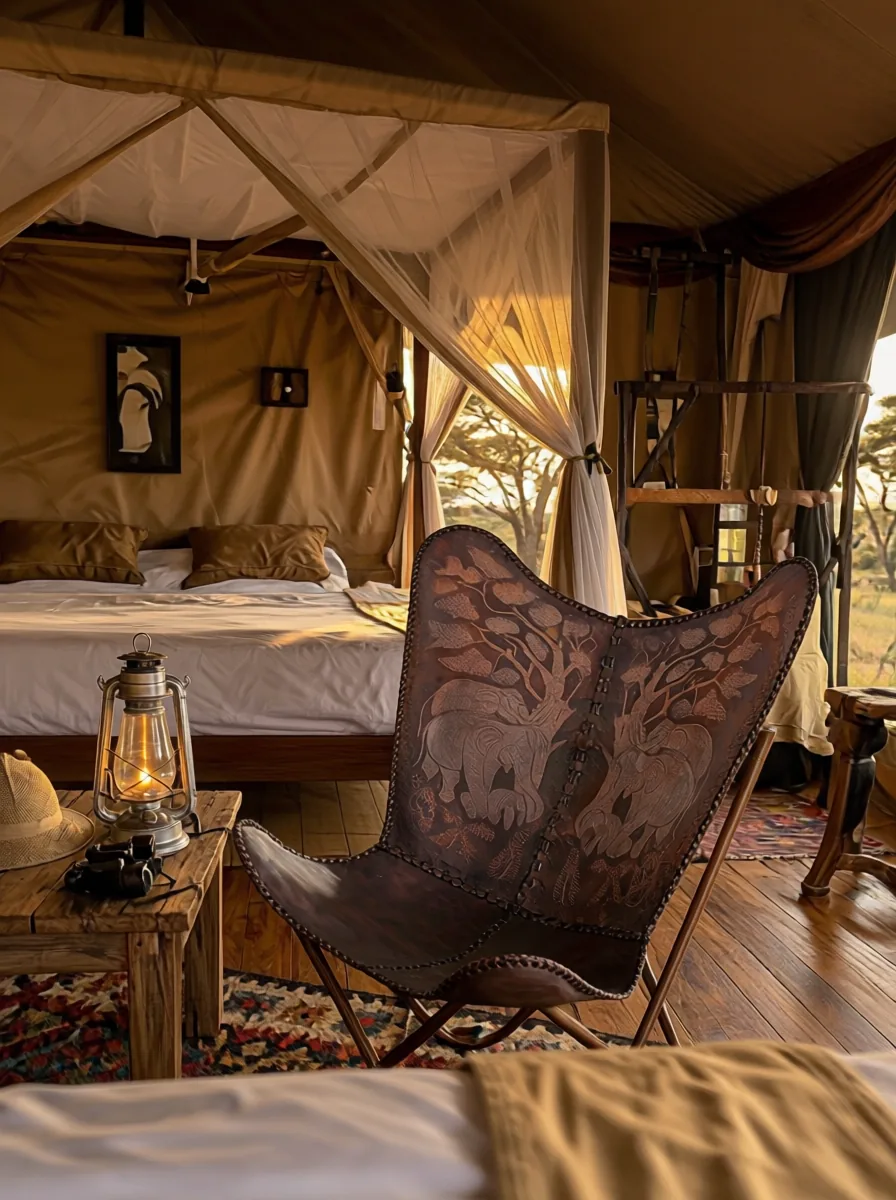
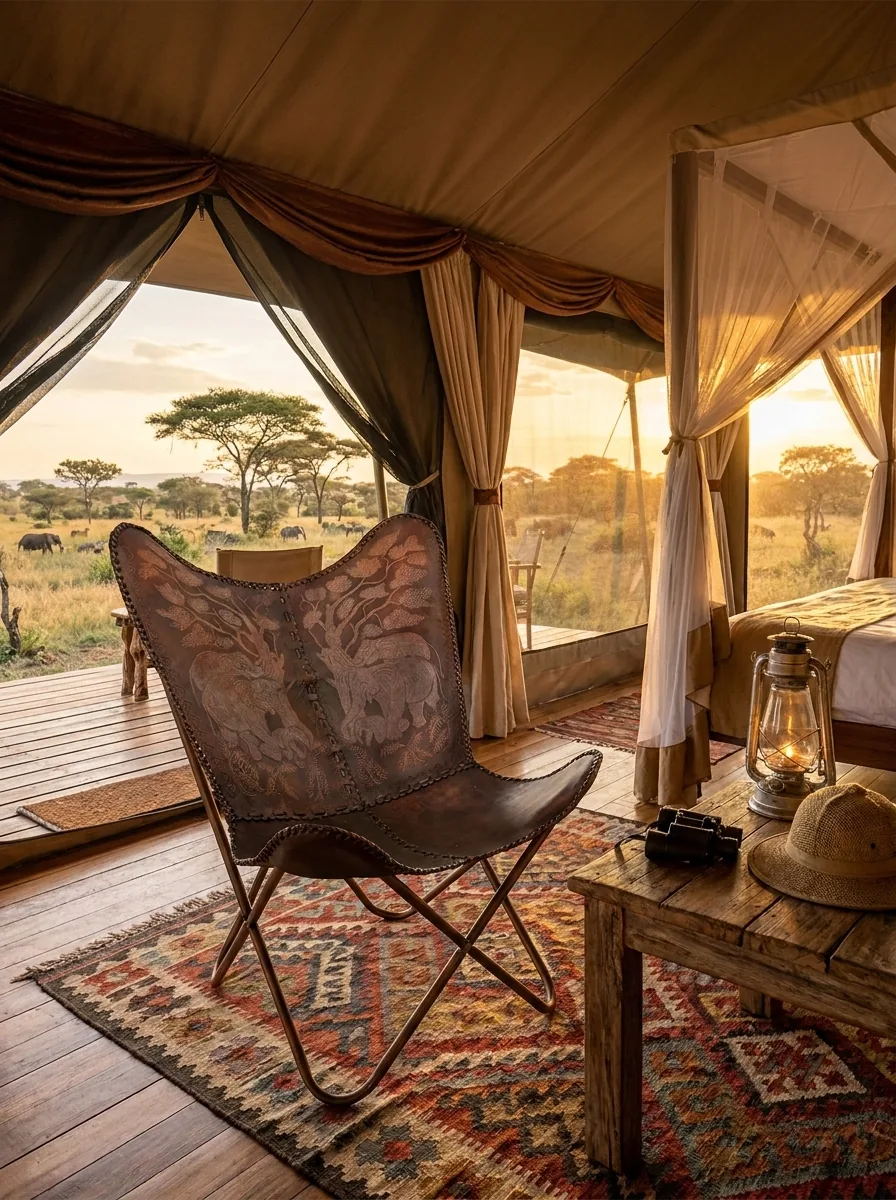
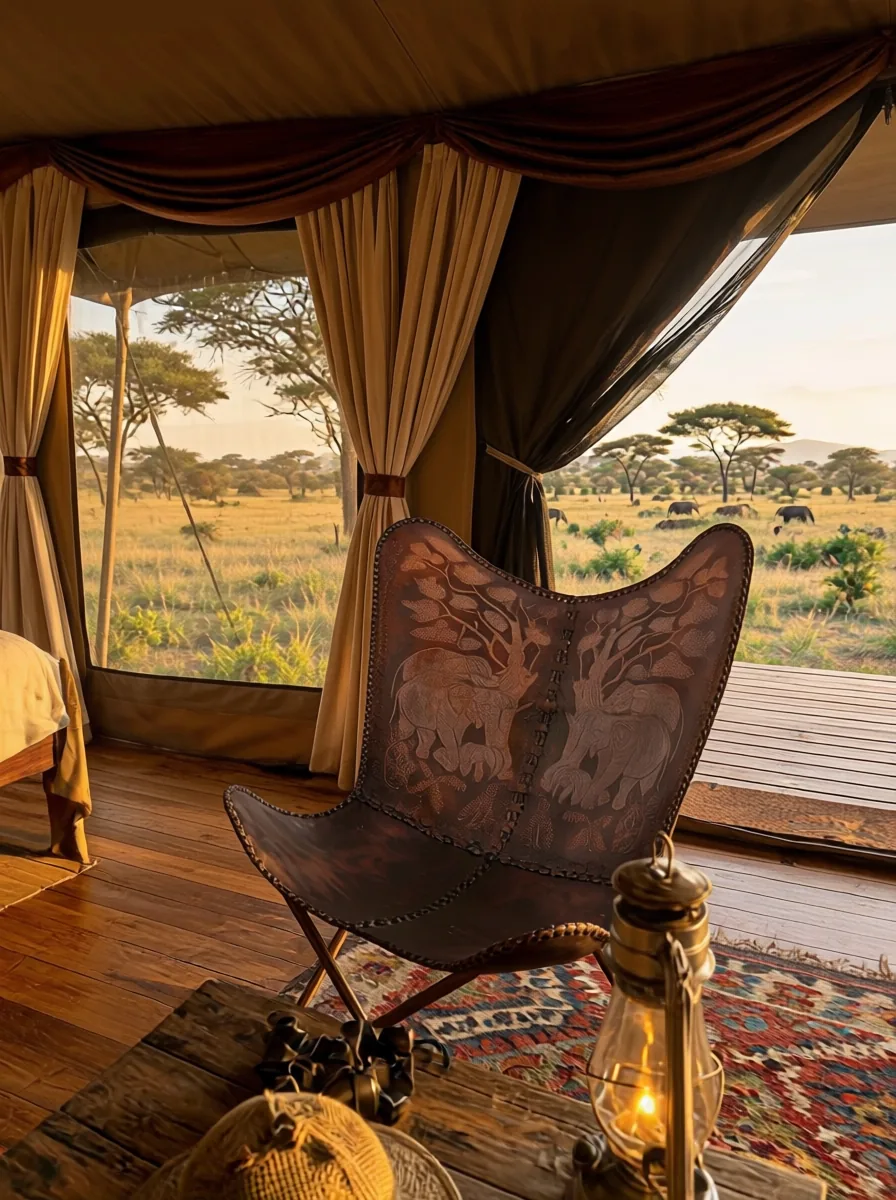
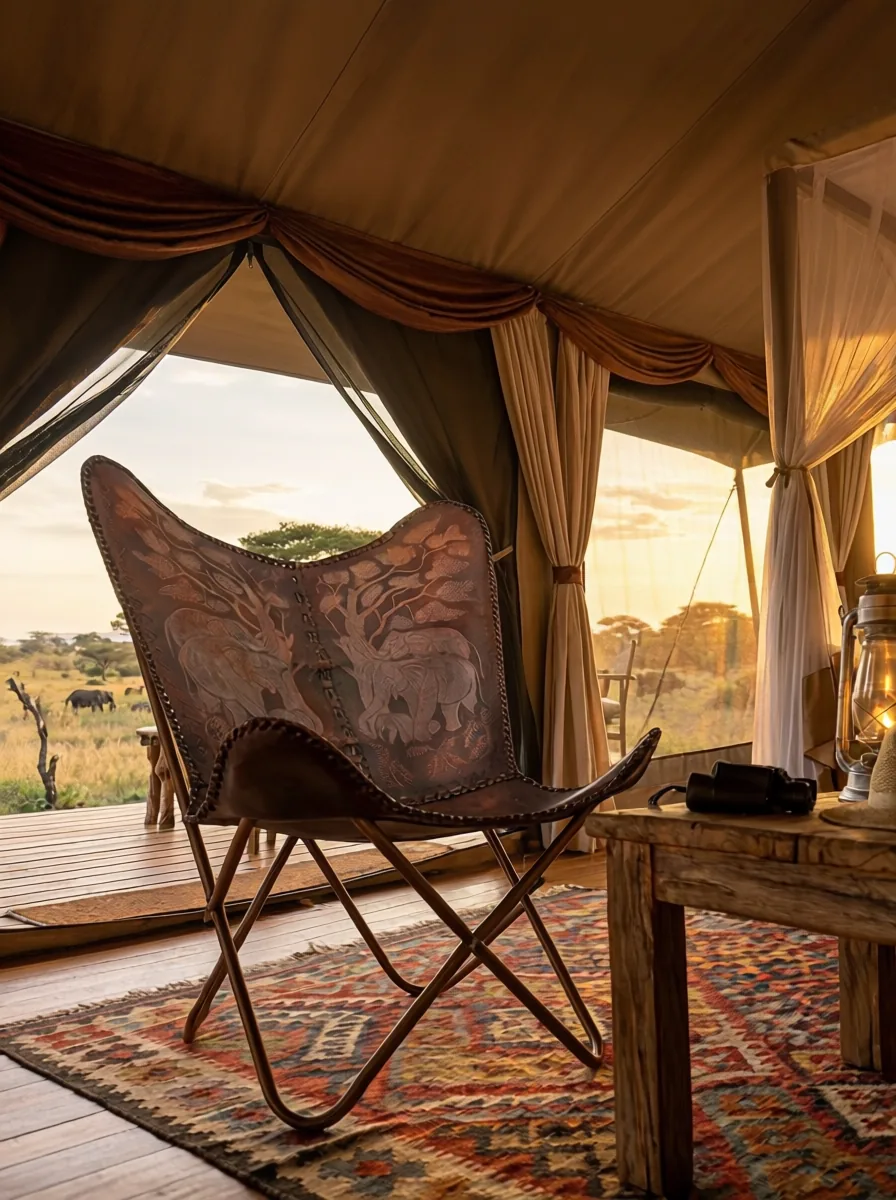
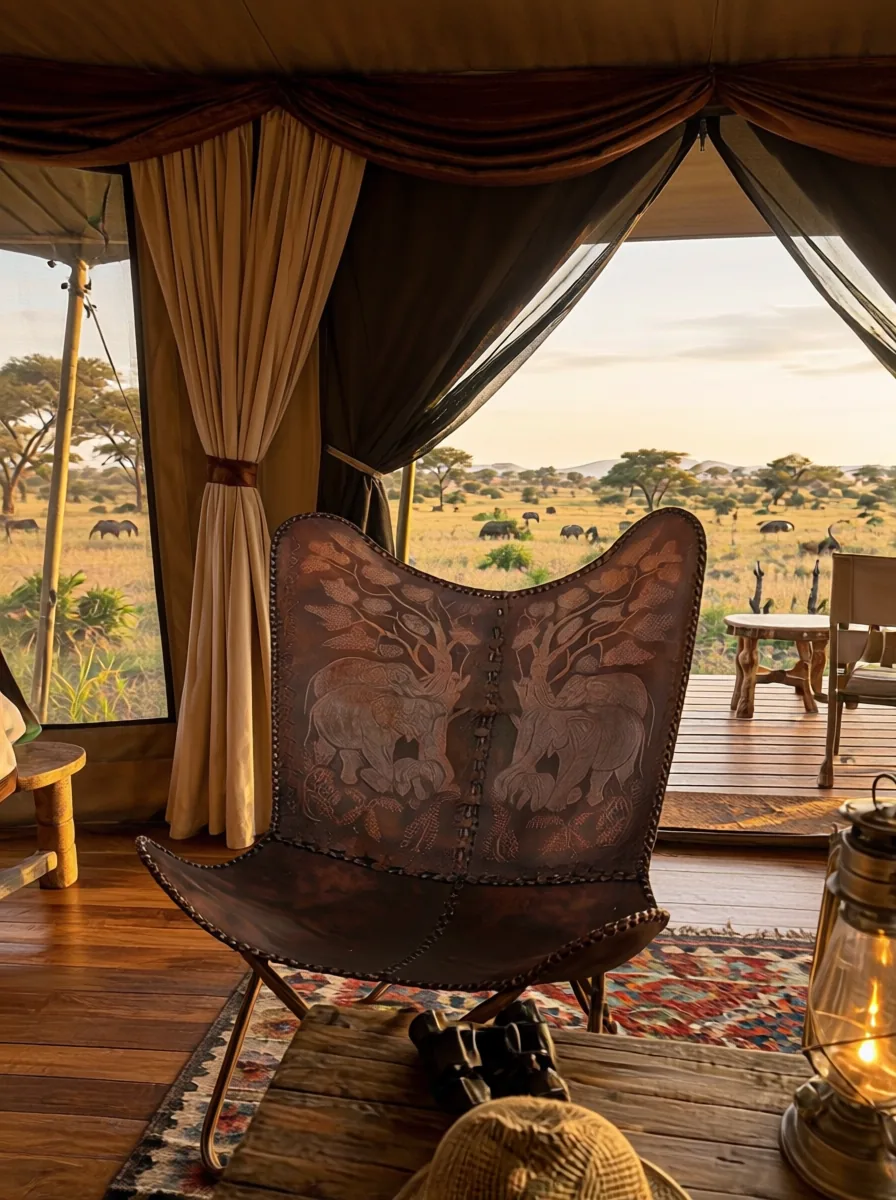
Tooled Full-Grain Leather Butterfly Chair — Elephant & Sacred Tree Motif, Camp Collection
$98.80
Excludes 18% GST · added at checkout · Free shipping & authenticity
From the Curator
""I drew the elephant motif myself on a piece of graph paper the size of a butter package, handed it to the craftsman and asked him to scale it across all four panels without breaking the tree canopy at the join. He looked at it for a long time and said nothing. Three weeks later he called me to collect. The centre spine alignment was perfect — branches meeting branch, root meeting root — as though the leather had been one piece and the cut was incidental. I have not asked him how he did it. Some things are better left as craft and not explained as process." "
The BKF butterfly chair — designed in Buenos Aires in 1938 by Bonet, Kurchan and Ferrari Hardoy — is one of the twentieth century's most imitated forms. This version translates it into the grammar of the Indian saddlery tradition, which has its own unbroken lineage of hide-working, swivel-knife tooling and hand-stitching that predates the Argentine original by centuries. The result is a butterfly chair in full-grain vegetable-tanned leather, each of its four panels hand-tooled with a continuous composition: a pair of elephants facing one another beneath a canopy of sacred trees, branches interlaced across the centre spine of the sling as if the two panels were pages of an illuminated manuscript falling open. The tooling technique requires no paint, no dye overlay, no applied colour. The artisan works dampened leather with a swivel knife to incise the design, then compresses the background with bevelling and background stamps — the motif rises as a result of everything around it being pushed down. Differential burnishing in the final stage creates the tonal shift between warm chestnut highlight and near-ebony shadow, all within the single hide. The perimeter is finished with a whip-stitch border in contrasting thread and antique brass dome studs — a detail borrowed directly from parade saddles and military kit bags. The frame is a folding steel rod in bronzed or lacquered finish, collapsible to a flat bundle that fits in a canvas sleeve for transit between properties or seasons. Place it facing the view — any view: the open wall of a jungle tent, a farmhouse window, a study where a single lamp pools on the floor beside it. The tooled surface reads as carving in raking light and as dark water in flat light; it changes across the day in ways that upholstered furniture cannot. For hospitality properties in the wildlife corridor — Corbett, Pench, Bandhavgarh, Ranthambore — this is the object that earns its own photograph in every guest's camera roll, which makes it the highest-value square-metre of FF&E on the property. Sold individually or as a suite of two flanking the canvas lounge set from this same collection.
Authentic
Insured
Curated
Pairs Well
You may also like
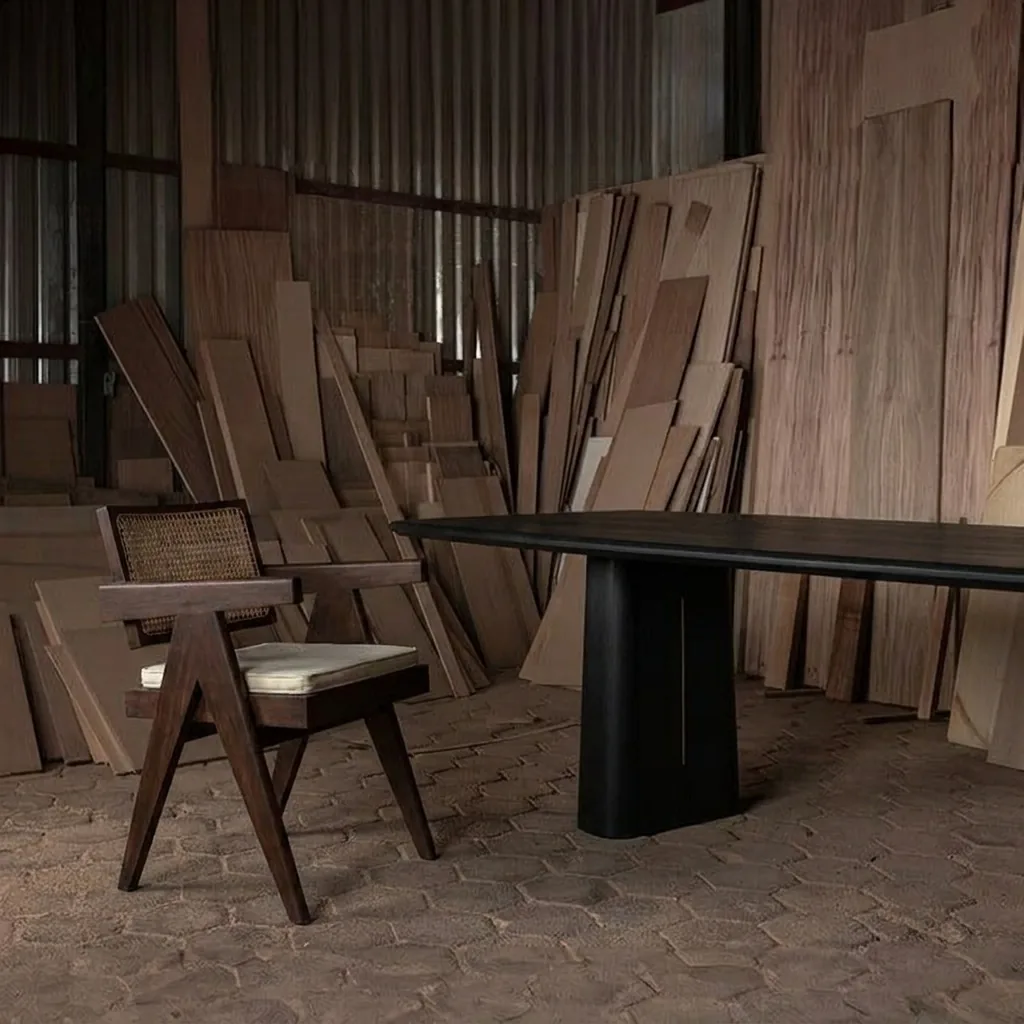
Chandigarh-Style Teak & Cane Armchair – Dark Ebonised Finish
2000s–2010s (heritage reproduction)
$156.00
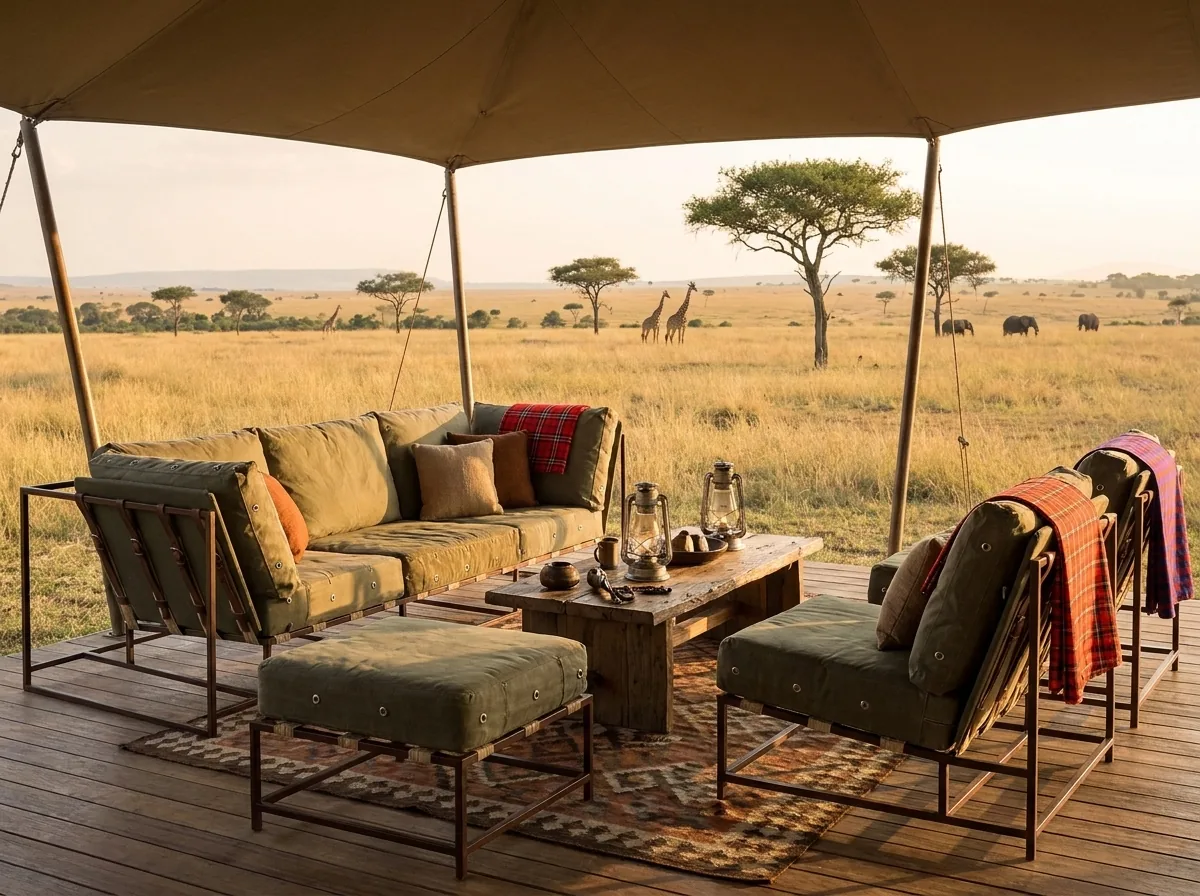
Safari Lounge Set in Military Canvas & Mild Steel — Three-Seat Sofa, Two Lounge Chairs & Ottoman
Contemporary (2026)
$1,435.20
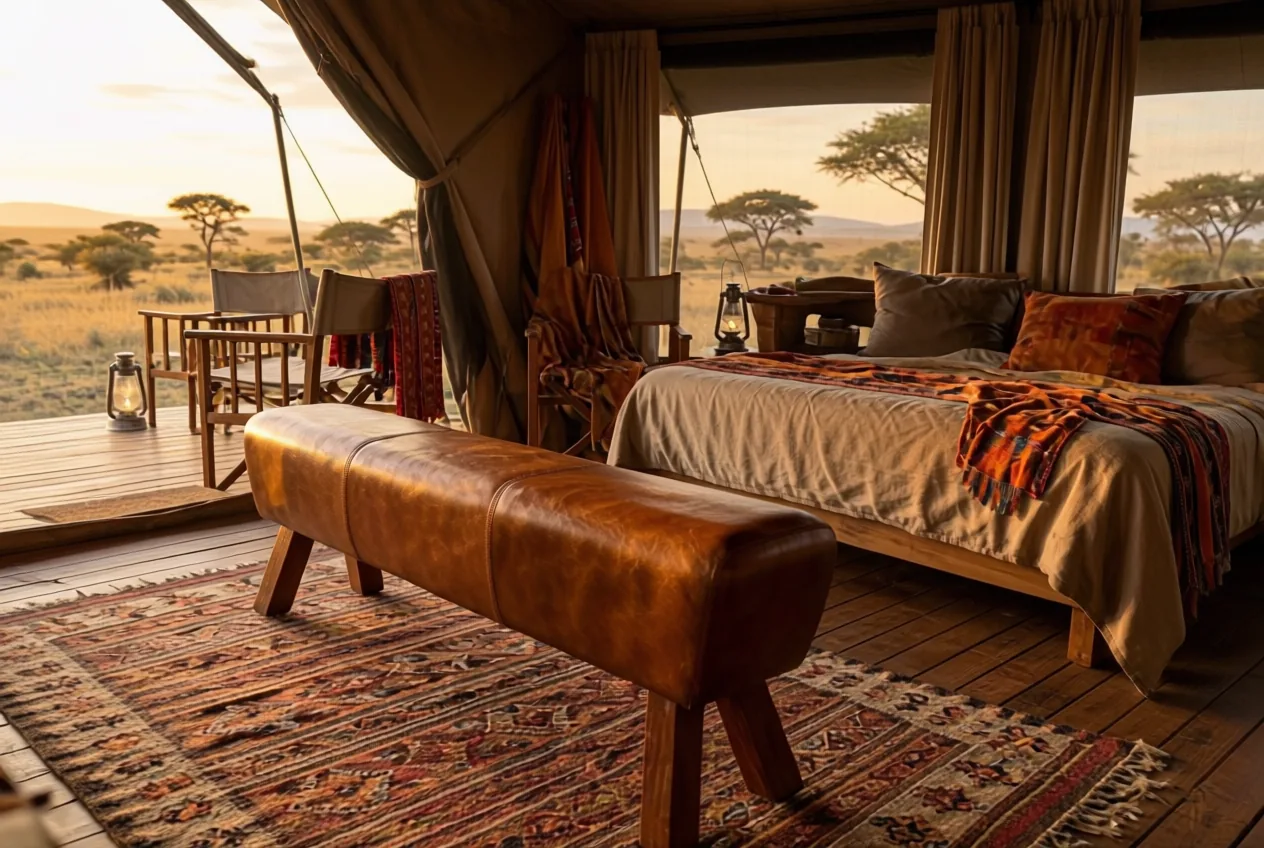
Pommel Bench in Full-Grain Leather on Splayed Hardwood Legs
Contemporary (2026)
$343.20
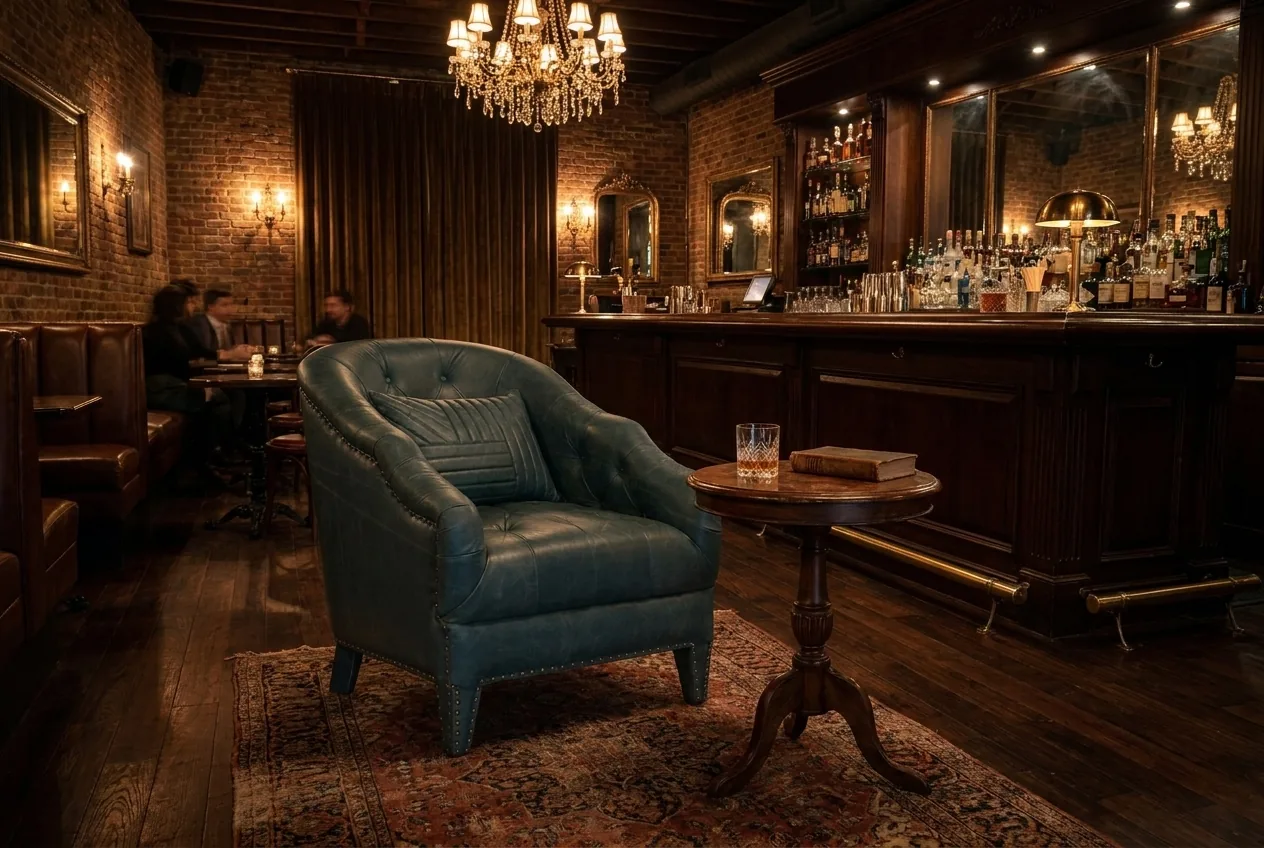
Buttoned Barrel Chair in Petrol-Blue Full-Grain Leather — Bronze Nailheads & Channel-Stitched Pillow
Contemporary (2026) — design lineage: Victorian tub chairs, speakeasy revival
$707.20
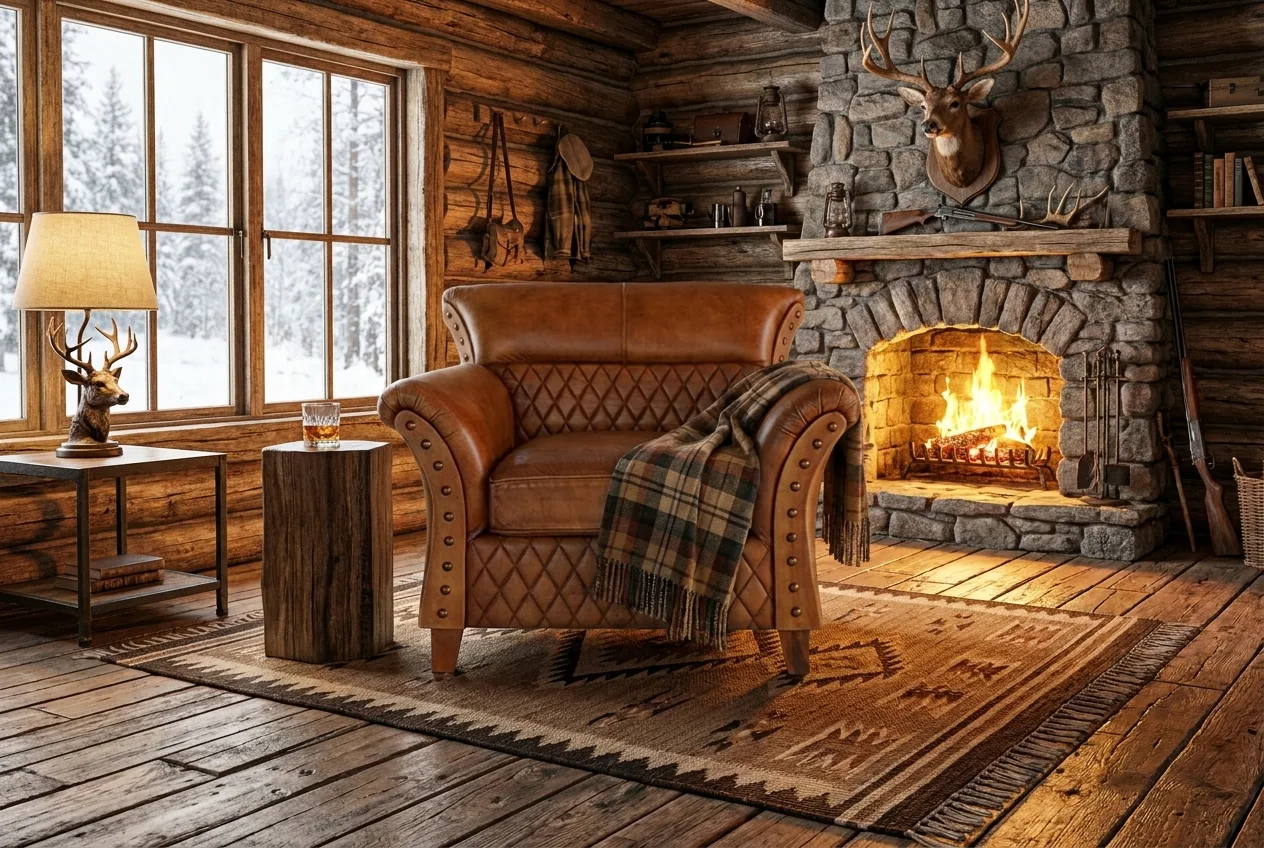
Diamond-Quilted Full-Grain Leather Armchair — Brass-Studded Club Chair
Contemporary (2026)
$707.20
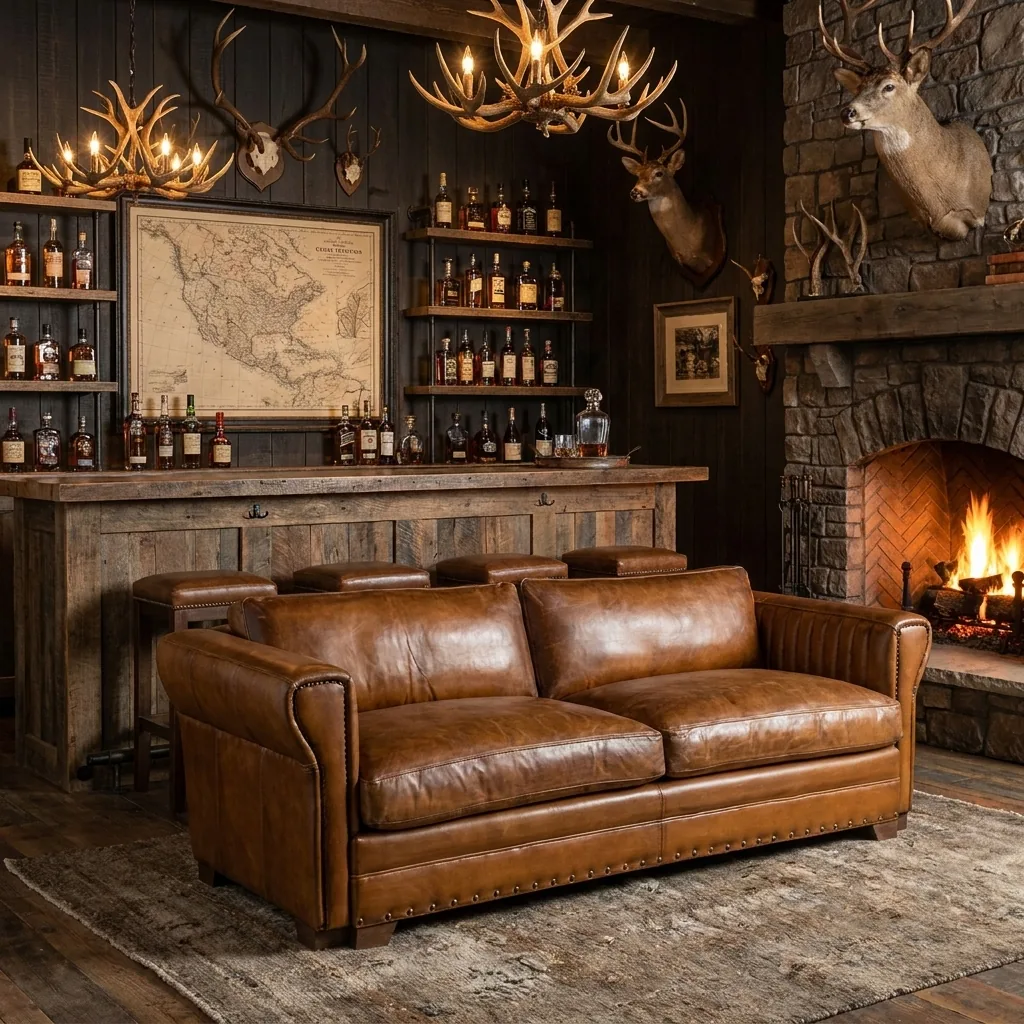
Three-Seat Sofa in Full-Grain Vintage Wax Leather — Channel-Fluted Arms & Bronze Nailheads
Contemporary (2026) — design lineage: English club sofas, 1920s–1930s
$2,028.00